If you have been looking into ways to protect your car’s paint, you have probably come across two terms. Glass coating and ceramic coating both sound impressive. Many people use these names as if they mean the same thing. They do not. There are real differences between the two, and understanding those differences helps you choose the right protection for your car. This article breaks it all down in simple terms.
What Is Glass Coating?
Glass coating is a liquid protective layer applied to a car’s paint surface. It is made from silicon dioxide, which is the same basic material that glass is made from. When it is applied to the car and cures, it forms a hard and smooth layer over the paint. This layer looks glossy and gives the car a glass-like shine, which is exactly where the name comes from.
Glass coating bonds to the paint chemically. It does not sit on top like wax does. Because it bonds at a chemical level, it lasts much longer than traditional wax or paint sealants. A well-applied glass coating can last anywhere from one to three years depending on how the car is maintained and what driving conditions it faces regularly.
What Does Glass Coating Protect Against?
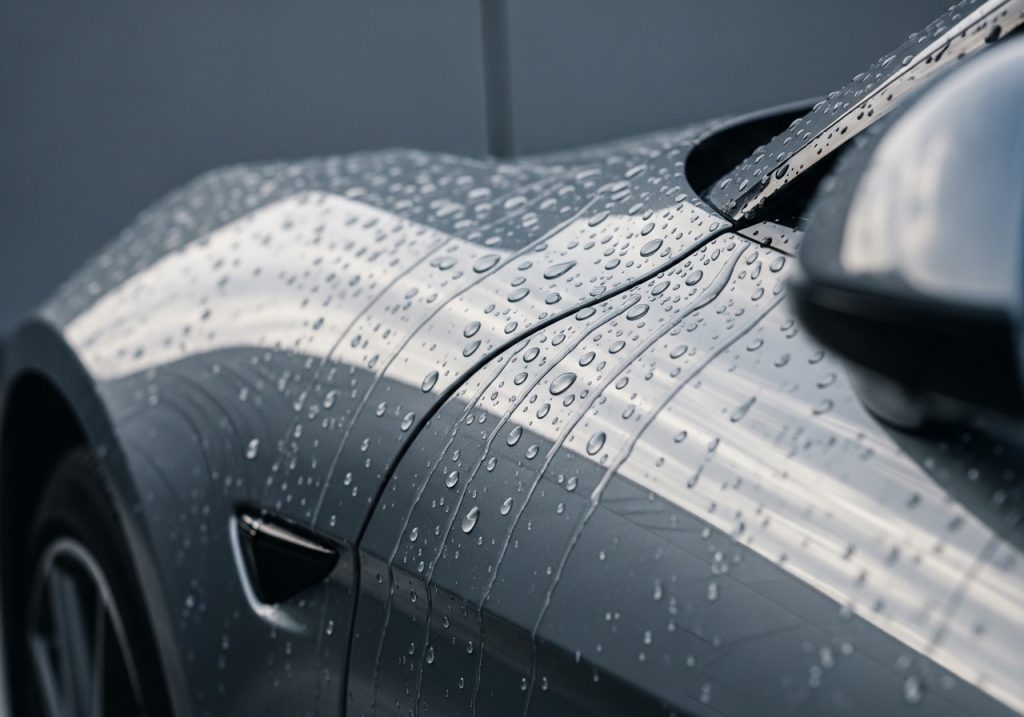
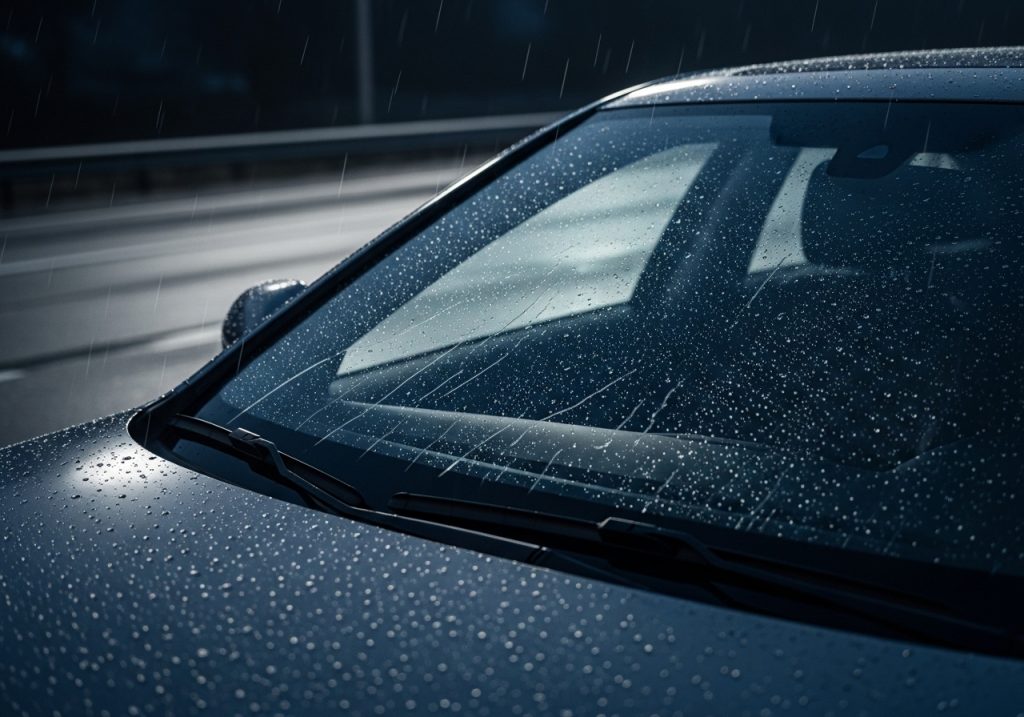
Glass coating creates a barrier between your car’s paint and the outside world. It protects against UV rays from the sun, which are a major cause of paint fading over time. It also repels water very effectively. When it rains or when you wash the car, water beads up and rolls off the surface quickly. This is called hydrophobic behavior, and it keeps water spots from forming on the paint.
Glass coating also offers some protection against light scratches and minor swirl marks. It is not scratch-proof, but the hard layer absorbs small abrasions before they reach the actual paint. Dust and dirt also have a harder time sticking to a glass-coated surface, which makes the car easier to clean between washes.
What Is Ceramic Coating?
Ceramic coating is also a liquid chemical coating applied to the car’s exterior. It is made from silicon dioxide as well, but it often contains additional compounds like titanium dioxide. These extra ingredients make ceramic coating harder and more durable than a standard glass coating. The result is a thicker protective layer that bonds even more strongly to the paint surface.
Ceramic coating is widely considered to be a more advanced product. It offers stronger protection against chemical stains, bird droppings, tree sap, and harsh environmental elements. It is also more heat resistant than glass coating, which matters in hot cities where the sun bakes the car roof and hood for hours every day.
How Glass Coating and Ceramic Coating Are Similar
Both glass coating and ceramic coating work by bonding chemically to the car’s paint. Both create a hydrophobic surface that repels water and makes cleaning easier. Both add a deep gloss to the paint that makes the car look well-maintained. Both also last significantly longer than wax, which needs to be reapplied every few months.
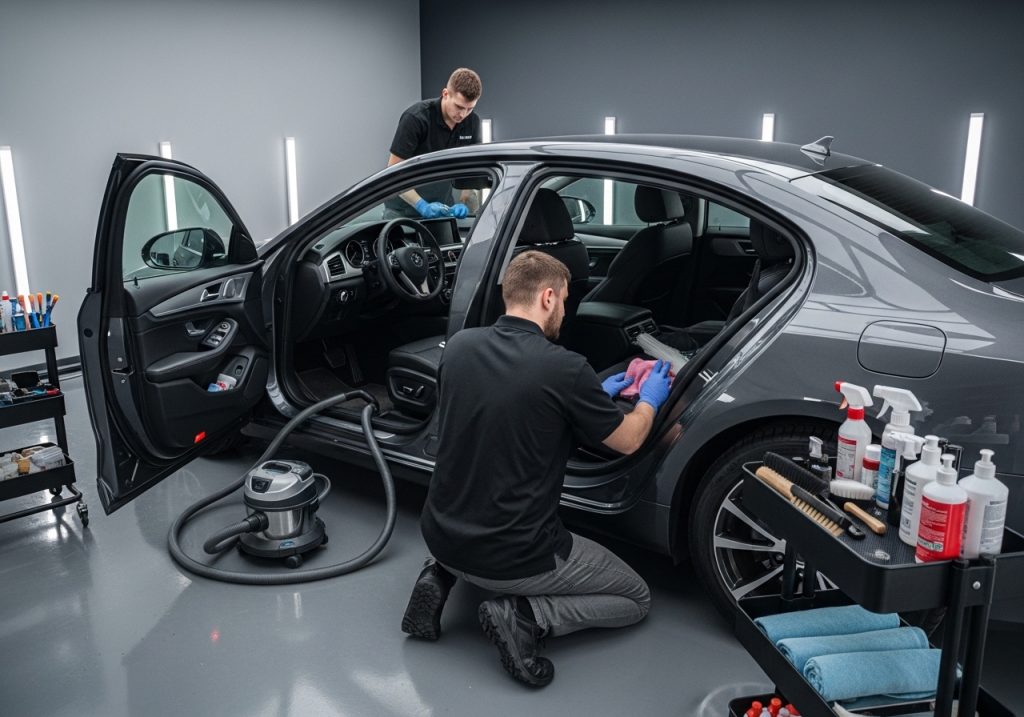
The application process is also similar for both. The car’s paint must be properly cleaned, polished, and decontaminated before either coating is applied. If the surface is not prepared correctly, neither coating will bond properly. This is why professional application is important for both products.
Key Differences Between the Two
The main difference comes down to hardness and durability. Ceramic coatings are generally harder than glass coatings. On a hardness scale used in the coating industry, ceramic coatings often rate higher. This means they resist scratches and environmental damage better over a longer period of time.
Ceramic coatings also tend to last longer. While a glass coating may last one to three years, a professionally applied ceramic coating can last anywhere from three to five years or even longer with proper care. This makes ceramic coating a better long-term investment even though it costs more upfront.
Glass coating is often more affordable and still offers very good protection for everyday driving. For car owners who want an upgrade from wax but do not want to spend on a full ceramic package, glass coating is a solid middle ground. It delivers visible results and meaningful protection without the higher price tag.
Which One Is Better for Karachi’s Conditions
Karachi’s environment is demanding. The strong sun fades paint quickly. Dusty air clings to surfaces. Salt from the coastal air settles on the car body. In these conditions, the more durable the coating, the better.
Ceramic coating has an edge in Karachi because of its stronger resistance to heat and chemicals. The UV protection it provides is more robust, which matters when the car sits outside in direct sunlight for long hours. The harder surface also holds up better against the fine dust particles that act like sandpaper on an unprotected or lightly protected surface.
That said, glass coating still performs well for Karachi’s conditions if the budget does not allow for ceramic. It is far better than leaving the paint unprotected or relying on wax alone. Getting a quality glass coating from a reputable shop is a smart choice for many everyday car owners in the city.
Common Mistakes to Avoid with Both Coatings
One of the biggest mistakes people make is washing the car too soon after coating. Both glass and ceramic coatings need time to fully cure. Washing the car within the first week can damage the bonding process. Always follow the shop’s instructions on how long to wait before exposing the car to water.
Another mistake is skipping paint correction before the coating is applied. If there are swirl marks or scratches in the paint before the coating goes on, those imperfections get locked in underneath the coating. The coating will make them harder to fix later. A proper paint correction step before application ensures the coating enhances the paint rather than trapping problems inside it.
Final Thoughts
Glass coating and ceramic coating both protect your car’s paint better than wax ever could. Glass coating is a great entry-level option that delivers real results at a more accessible price. Ceramic coating is the stronger and longer-lasting choice for those who want maximum protection. In a tough environment like Karachi, investing in either one is a smart move for any car owner who wants their vehicle to stay looking clean and protected for years ahead.