The Short Answer and Why It Matters
Many car owners discover rust on their vehicle and wonder if it is too late to do anything about it. The good news is that anti rust coating can still be applied to a car that already has rust. However, the process is not as simple as spraying it on and hoping for the best. The condition of the rust matters a lot. There is a big difference between light surface rust and deep structural rust. Understanding where your car falls on that scale will help you decide what steps to take and whether a coating can actually help your situation.
Surface Rust Versus Deep Rust
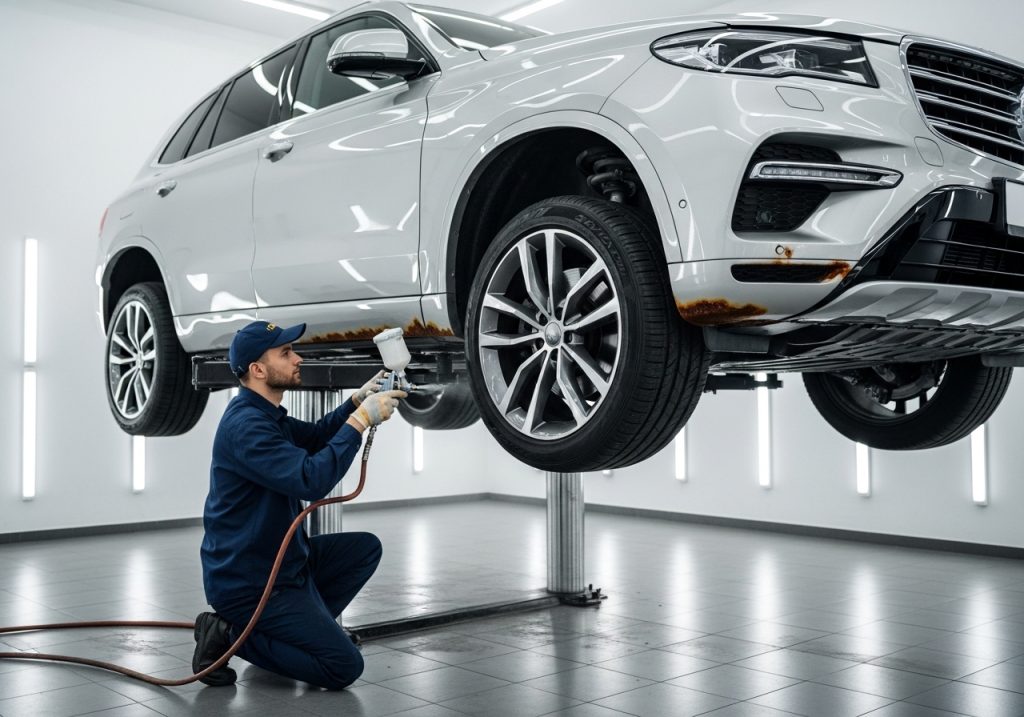
Not all rust is the same. Surface rust is the earliest stage. It appears as orange or reddish discoloration on the metal but has not yet eaten through it. The metal underneath is still solid and strong. This type of rust is the easiest to treat and is a good candidate for anti rust coating after proper preparation. Deep rust is a more serious problem. It happens when rust has been left untreated for a long time. The metal becomes thin, flaky, and full of holes. Applying a coating over deep rust without treating it first will not stop the damage. The rust will continue to spread underneath the coating where you cannot see it.
Why Preparation Is the Most Important Step
The biggest mistake people make is applying anti rust coating directly over existing rust without preparing the surface first. This traps moisture and rust particles under the coating. The rust continues to grow and the coating eventually bubbles up or peels off. Proper preparation makes all the difference. Before any coating goes on, the rusted area needs to be cleaned, treated, and dried completely. Skipping this step wastes both your time and money. Whether you do it yourself or take the car to a shop, surface preparation is the foundation of any successful rust treatment job.
How to Prepare a Rusted Surface for Coating
The first step is to remove as much loose rust as possible. A wire brush, sandpaper, or an angle grinder works well for this. You want to get down to bare metal or as close to it as possible. After the loose rust is removed, a rust converter product can be applied. Rust converter is a chemical solution that reacts with the remaining rust and turns it into a stable compound. This compound is no longer active rust and it bonds with the metal surface. Once the converter has dried and cured, the surface is ready for the anti rust coating. This process takes time but it gives the coating the best possible surface to stick to.
What Is a Rust Converter and How Does It Help
A rust converter is not the same as a coating. It is a chemical treatment that changes the nature of the rust itself. Most rust converters contain tannic acid or phosphoric acid. These acids react with iron oxide which is what rust is made of. The reaction turns the rust into iron tannate or iron phosphate. Both of these compounds are dark colored and much more stable than regular rust. They stop the rusting process in that area and create a primed surface that bonds well with paint and coatings. Using a rust converter before applying anti rust coating gives you a much stronger and longer lasting result.
Types of Anti Rust Coatings That Work on Previously Rusted Cars
There are several types of anti rust coatings available and some work better than others on cars that already have rust. Rubberized undercoating is popular because it creates a thick flexible barrier over the underbody. Oil-based coatings are good for penetrating into small cracks and crevices where rust hides. Epoxy-based coatings offer very strong adhesion and are great for areas where the metal has been stripped back to bare metal. There are also paint-on rust encapsulators which are designed specifically for use over light to moderate rust. These products chemically bond with the rust and seal it off from further moisture exposure. Choosing the right product depends on how bad the rust is and where it is located on the car.
When Anti Rust Coating Is Not Enough
There are situations where applying a coating is simply not the right solution. If the rust has eaten all the way through the metal and created large holes, the structural integrity of that part is already compromised. Coating over holes does not fix the strength of the metal. In these cases, the rusted panels or sections need to be cut out and replaced with new metal before any coating is applied. This is especially true for the frame and structural areas of the car. A rusted through frame is a safety issue that no coating can fix. A professional mechanic or body shop can assess whether repair or replacement is needed before the coating process begins.
Can You Apply Anti Rust Coating Yourself
Yes, applying anti rust coating at home is possible for minor rust issues. There are many DIY products available at auto parts stores. You will need a wire brush, sandpaper, rust converter, and the coating product of your choice. The process takes patience and attention to detail. Make sure the surface is completely dry before applying anything. Work in a well-ventilated area and follow the product instructions carefully. For moderate to severe rust or for large areas of the underbody, professional application is a smarter choice. Professionals have the right tools and equipment to clean, treat, and coat the underbody more thoroughly than most people can do at home.
The Long Term Value of Treating a Rusted Car
Treating rust early and applying an anti rust coating extends the life of your car significantly. Even if your car already has some rust, taking action now prevents the damage from getting worse. A car with treated and coated rust will last much longer than one where the rust is ignored. Regular inspections after treatment help you catch any new rust spots before they grow. Think of anti rust coating as a long term investment in your vehicle. The cost of treatment today is always much lower than the cost of major repairs or a full vehicle replacement down the road.