Why Driving in Rain Is So Dangerous
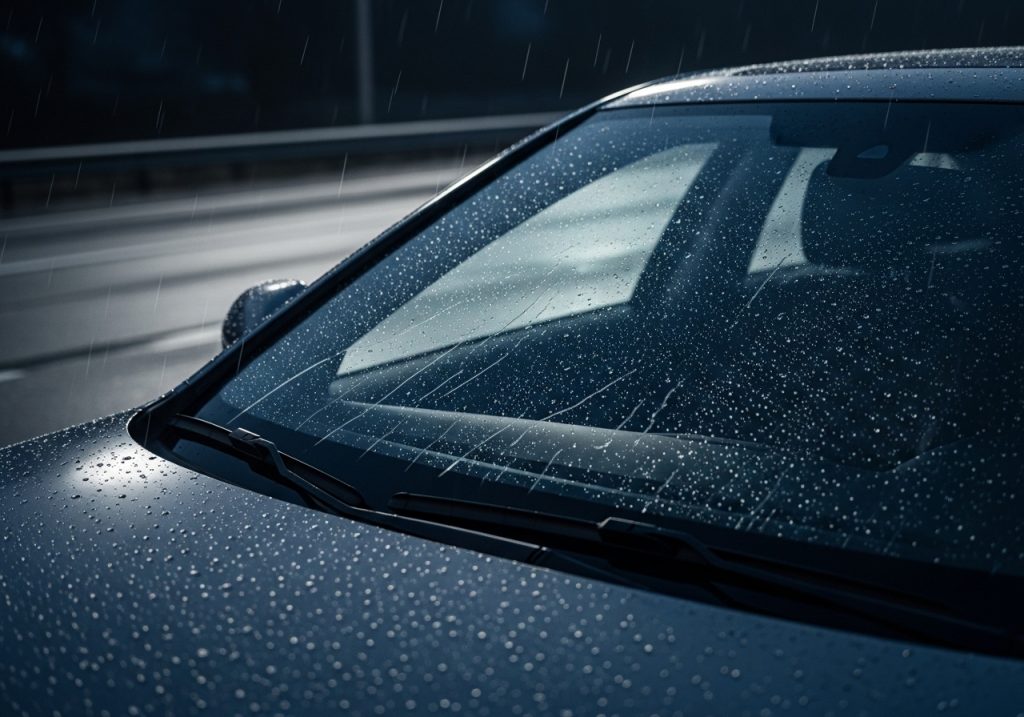
Driving in heavy rain is one of the most challenging situations any driver can face. Rainfall reduces visibility dramatically and makes the road surface slippery. Windshields can become covered in water sheets that even fast-moving wipers struggle to clear. Many accidents happen during rainstorms simply because drivers cannot see clearly enough to react in time. Anything that improves visibility during rain directly improves safety. This is exactly where glass coating comes in. It is a simple treatment that makes a real difference when the weather turns bad and the road becomes unpredictable.
What Glass Coating Actually Is
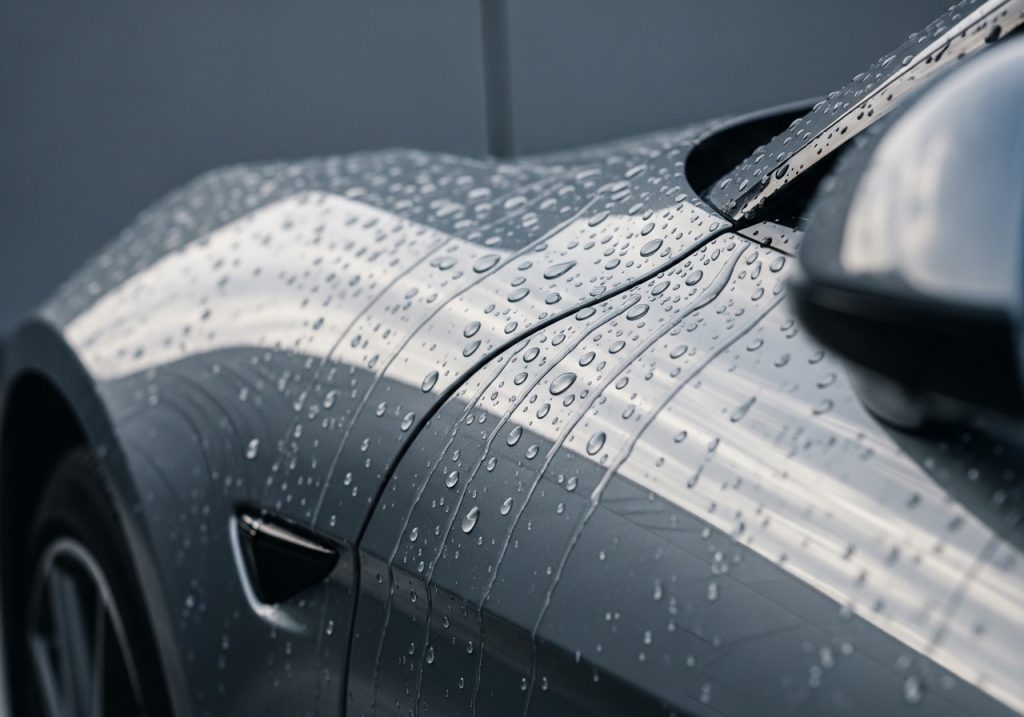
Glass coating is a liquid treatment applied to the surface of your car’s windshield and windows. It is made from hydrophobic compounds which means they are designed to repel water. The most common ingredient in quality glass coatings is silicon dioxide also known as silica. When applied to the glass, it bonds to the surface at a microscopic level. The result is an invisible layer that causes water to bead up and roll off the glass quickly instead of spreading across it in a flat sheet. The coating does not change how the glass looks from the inside. It simply changes how water behaves when it hits the outside surface.
How the Hydrophobic Effect Works
The word hydrophobic means fear of water. In science it describes any surface that pushes water away rather than absorbing it. When rain hits an untreated windshield it spreads out in a thin flat layer. This creates a blurry film that is very hard to see through even with wipers running. When rain hits a glass-coated windshield the water cannot spread out. Instead it forms small tight beads. These beads are heavy enough to roll off the glass quickly on their own. At highway speeds the wind alone pushes the water beads off the windshield without the wipers needing to work as hard. This keeps your field of vision much clearer during heavy rain.
The Role of Wipers on a Coated Windshield
Windshield wipers are essential for driving in rain but they work even better on a coated surface. On an uncoated windshield wipers have to push large sheets of water back and forth repeatedly. They often leave streaks and smear marks that distort your vision. On a coated windshield the water has already beaded up into small droplets. The wipers have much less water to move with each swipe. This means they can clear the glass more completely with every pass. The result is a cleaner and clearer windshield between each wipe. It also means your wipers experience less strain which can make them last longer over time.
Improved Visibility at Night During Rain
Nighttime rain driving is even more dangerous than daytime rain driving. Headlights from other cars reflect off the wet windshield and create bright glare that is hard to see past. Street lights and traffic signals also scatter across water-covered glass. This light scatter makes it very difficult to judge distances and read the road ahead. Glass coating reduces this problem significantly. Because water beads up and rolls off instead of spreading across the glass, there is less water sitting on the surface at any given moment. Less water means less surface area for light to reflect off. Drivers with coated windshields report noticeably less glare during rainy night driving which makes the road feel much safer.
How Glass Coating Compares to Rain-Repellent Sprays
Many drivers are familiar with spray-on rain repellent products that you can apply yourself at home. These products work on the same hydrophobic principle as glass coating but they are not the same thing. Spray-on repellents are thinner and wear off much faster. They typically last only a few weeks before they need to be reapplied. Professional glass coatings bond more deeply to the surface of the glass. They are much more durable and can last anywhere from one to three years depending on the product and how well the car is maintained. The upfront cost of a professional coating is higher but the longer lasting protection makes it a better value over time.
Does Glass Coating Work on Side Windows and Mirrors
Most people think of the windshield first when they hear about glass coating but the treatment works on all glass surfaces. Applying it to the side windows improves visibility when you look through them during lane changes. Rain on the side windows can make it hard to judge the distance of cars behind you. Treated side windows bead water off faster so you get a clearer view in less time. Applying the coating to your side mirrors is also very helpful. Mirrors are small and collect water quickly during rain. A hydrophobic coating on your mirrors keeps them clearer so you can see traffic behind you without constantly second-guessing what you see.
How Glass Coating Is Applied
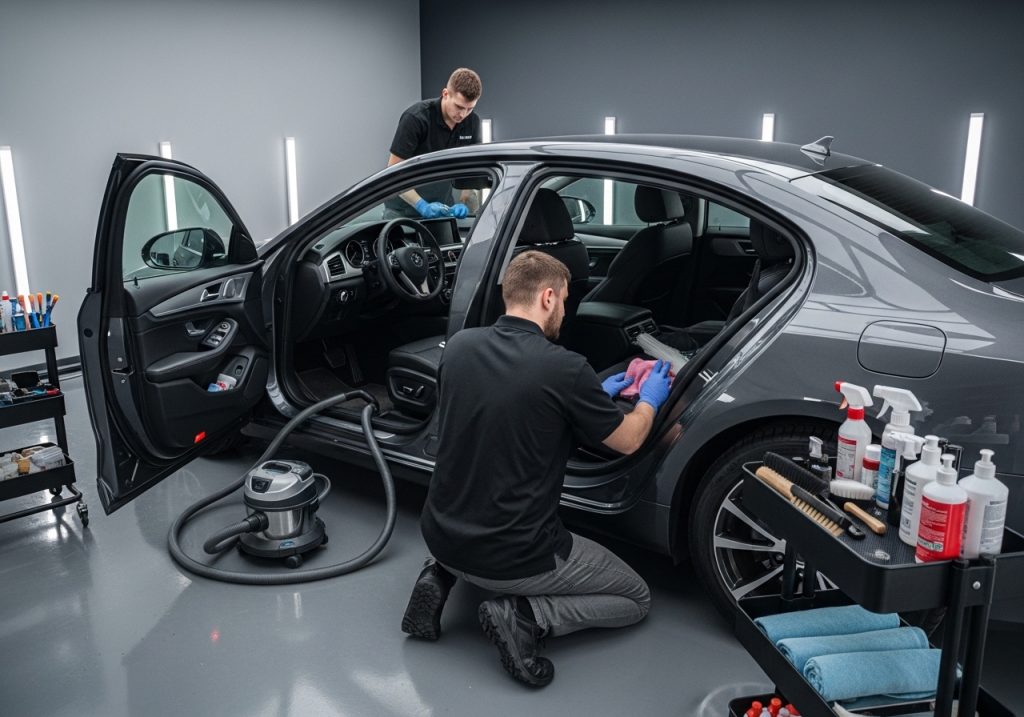
Applying glass coating properly requires clean and dry glass as the starting point. Any dirt, grease, or old wiper residue needs to be completely removed first. Many professionals use a clay bar or polishing compound to make the glass as smooth and clean as possible before the coating goes on. The coating liquid is then applied in small sections using a soft applicator pad. It needs time to bond with the glass surface before being buffed off. The curing process can take anywhere from a few minutes to a few hours depending on the product. Professional application gives the most even and durable result but there are also quality DIY kits available for careful home application.
Long Term Safety Benefits Beyond Rain
Glass coating does more than just help in the rain. It also makes it harder for dirt, dust, and road grime to stick to your windshield. A cleaner windshield means better visibility in all weather conditions. The coating also makes it easier to scrape ice and snow off the glass in winter because the surface is smoother and more slippery. Bug splatter and bird droppings are easier to wipe off too. All of these benefits add up to a windshield that stays cleaner and clearer throughout the year. When your visibility is better in every condition your overall driving safety improves significantly beyond just rainy days.