Why Flood Prone Areas Are Hard on Cars
Living in a flood prone area comes with many challenges. One of the most damaging and often overlooked problems is what floodwater does to your car. When a car is exposed to standing water, the parts that suffer the most are the ones underneath. The chassis is the metal frame that sits at the bottom of your car. It holds everything together and supports the entire vehicle. Floodwater is not just water. It carries mud, salt, chemicals, and debris that stick to metal surfaces and cause serious damage over time. Without proper protection this damage leads to rust and structural weakness that can make a car unsafe to drive.
What Is the Car Chassis
The chassis is the backbone of your car. It is the structural frame that runs along the bottom and supports the engine, body, suspension, and all major mechanical parts. Because it sits so low to the ground, the chassis is constantly exposed to road spray, moisture, and debris even in normal driving conditions. In flood prone areas the chassis faces much more extreme exposure. When floodwater rises it submerges the chassis completely. The water pushes into every gap and corner of the metal frame. If the chassis is not protected it absorbs moisture and begins to rust from the inside out. Rust weakens the metal and can eventually compromise the entire structure of the vehicle.
What Is Anti Rust Coating
Anti rust coating is a protective layer applied directly to the metal surfaces of the car’s undercarriage and chassis. It is also called underbody coating or rustproofing. The coating creates a barrier between the bare metal and everything the road and environment throw at it. There are several types of anti rust coatings available. Some are rubberized and flexible. Others are wax based or tar based. More advanced options include epoxy coatings and specialized polymer formulas. Each type works by sealing the metal surface so that moisture, oxygen, salt, and chemicals cannot reach it. When moisture cannot reach the metal, the chemical reaction that causes rust cannot begin.
How Rust Forms on a Chassis
To understand how anti rust coating helps, it is important to know how rust forms. Rust is the result of a chemical reaction called oxidation. When iron or steel is exposed to both moisture and oxygen at the same time, it begins to corrode. Floodwater speeds this process up dramatically. Saltwater is especially harmful because salt acts as a catalyst that makes oxidation happen much faster. Floodwater in urban areas also contains chemicals, sewage, and industrial runoff that further attack metal surfaces. Once rust starts it spreads. It eats through metal from the surface inward. A chassis that has started rusting will continue to deteriorate unless the rust is stopped and the metal is properly treated and protected.
How Anti Rust Coating Stops Moisture Penetration
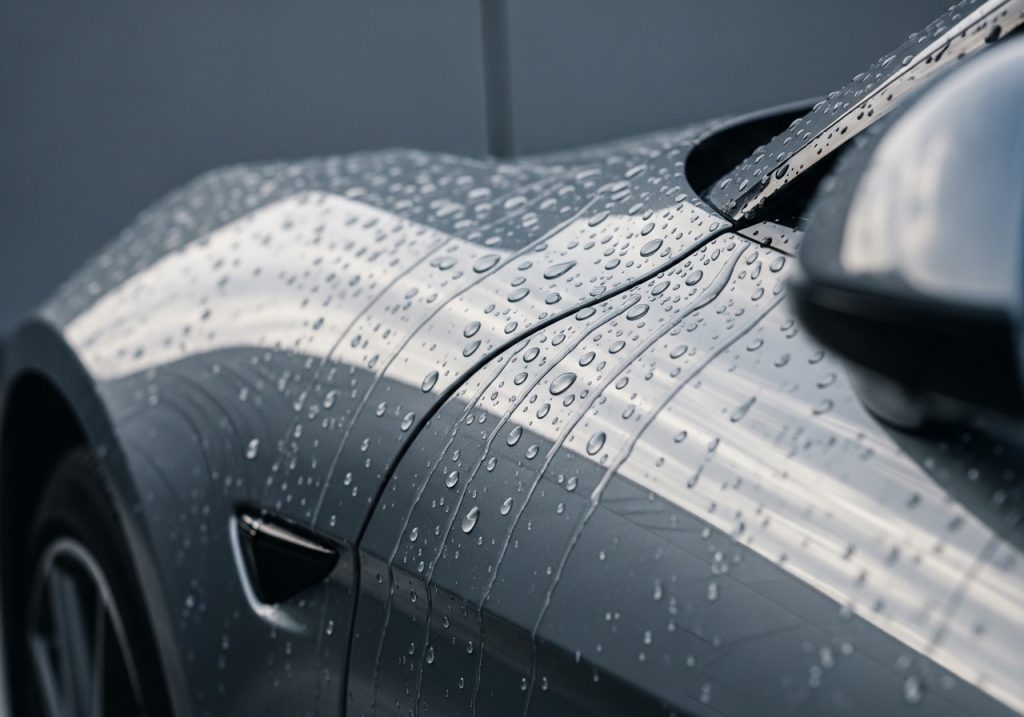
The primary job of anti rust coating is to seal the metal completely. A properly applied coating fills every gap, seam, and rough surface on the chassis. It creates an airtight and waterproof barrier that moisture simply cannot get through. When floodwater surrounds a protected chassis, the water has nowhere to go. It cannot penetrate the coating to reach the bare metal underneath. This keeps the chemical conditions needed for rust from ever forming. In flood prone areas where cars may sit in standing water for hours or even days, this kind of complete moisture barrier is absolutely essential. Without it every flood event brings the chassis one step closer to serious rust damage.
Salt and Chemical Resistance
Floodwater in coastal and urban areas often contains high levels of salt and harmful chemicals. Salt is one of the most aggressive enemies of bare metal. It draws moisture into the metal surface and speeds up oxidation significantly. Anti rust coatings are specifically formulated to resist salt and chemical exposure. The coating does not react with salt or break down when exposed to the harsh mix of substances found in floodwater. This chemical resistance is especially important for cars in coastal flood zones where saltwater flooding is common. A car that regularly encounters saltwater without protection will begin showing serious rust damage within a very short period of time.
Protection for Hidden and Hard to Reach Areas
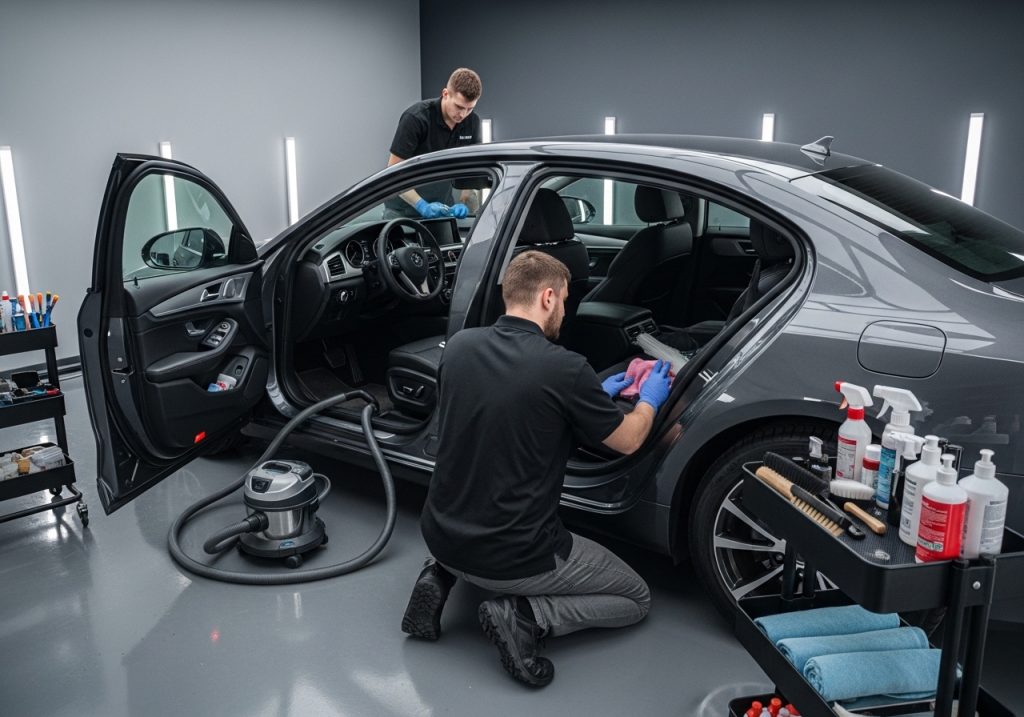
One of the most important aspects of anti rust coating is its ability to protect areas that are difficult to see and reach. The chassis has many hollow sections, box sections, and tight corners where moisture gets trapped and stays for long periods. These hidden areas are where rust often starts and grows undetected. Professional anti rust coating application includes spraying protective material into these internal cavities. Wax based and oil based coatings can flow into tight spaces and coat internal surfaces that a brush or roller could never reach. This thorough protection ensures that even the most hidden parts of the chassis are sealed against moisture and corrosion.
How It Protects During and After Flooding
When a flood occurs, a car with anti rust coating is protected in two important phases. During the flood the coating acts as a waterproof shield that keeps floodwater from contacting the bare metal. After the flood recedes the coating continues to protect by resisting the mud, silt, and chemical residue that floodwater leaves behind. These residues can sit on unprotected metal for days or weeks and continue causing damage long after the water is gone. A coated chassis sheds these residues more easily and does not allow them to bond to the surface. This two phase protection makes anti rust coating extremely valuable in areas that experience repeated flooding throughout the year.
Extending the Life of the Vehicle
A car chassis weakened by rust is a serious safety issue. Rust can compromise the structural integrity of the frame making the car dangerous in an accident. It can also damage mechanical components attached to the chassis such as the suspension, brake lines, and fuel lines. Replacing or repairing a badly rusted chassis is extremely expensive and in many cases the cost exceeds the value of the vehicle. Anti rust coating prevents all of this by keeping the chassis strong and intact for many more years. In flood prone areas where rust risk is high, this protection can literally double the useful life of a vehicle. It is one of the most cost effective investments a car owner in a flood zone can make.
How Often Anti Rust Coating Should Be Applied
Anti rust coating is not a one time solution in flood prone areas. Over time the coating can wear down especially on the underside of the car where road contact is constant. Most professionals recommend inspecting the undercoating once a year. After a major flood event it is a good idea to have the coating checked right away. A professional can identify areas where the coating has been damaged or worn thin and reapply protection before rust has a chance to start. Some coatings last longer than others. Rubberized and epoxy coatings tend to be more durable while wax based coatings may need more frequent reapplication. Staying on a regular inspection schedule keeps the protection consistent and effective.
Choosing the Right Anti Rust Coating
Not all anti rust coatings are equal and choosing the right one for a flood prone area matters. Rubberized undercoating is thick and durable and provides excellent protection against physical impact as well as moisture. Epoxy based coatings bond very strongly to metal and provide a hard and long lasting barrier. Cavity wax is ideal for getting into internal sections of the chassis where other coatings cannot reach. For the best protection in a flood zone many professionals recommend combining different types of coating to cover all areas of the undercarriage thoroughly. Consulting with a professional who understands the specific challenges of your local environment will help you choose the most effective solution.
Final Thoughts
Flood prone areas present a constant and serious threat to the metal chassis of any vehicle. Floodwater carries salt, chemicals, and debris that attack bare metal and start the rust process quickly. Anti rust coating creates a powerful barrier that keeps moisture and corrosive substances away from the chassis. It protects during flooding, resists chemicals, reaches hidden areas, and extends the life of the vehicle significantly. For any car owner living in an area that experiences regular flooding, anti rust coating is not a luxury. It is a necessary investment that protects both the safety and the long term value of the vehicle.