What Is Ceramic Coating and Why Does It Fail
Ceramic coating is a liquid protection layer applied to a car’s paint. It bonds with the surface and creates a hard, shiny shield. This shield protects the car from water, dirt, UV rays, and light scratches. Most ceramic coatings are supposed to last two to five years. But many car owners notice the coating starting to fail much sooner than that. Understanding why this happens can save you time and money.
Poor Surface Preparation Is the Biggest Reason
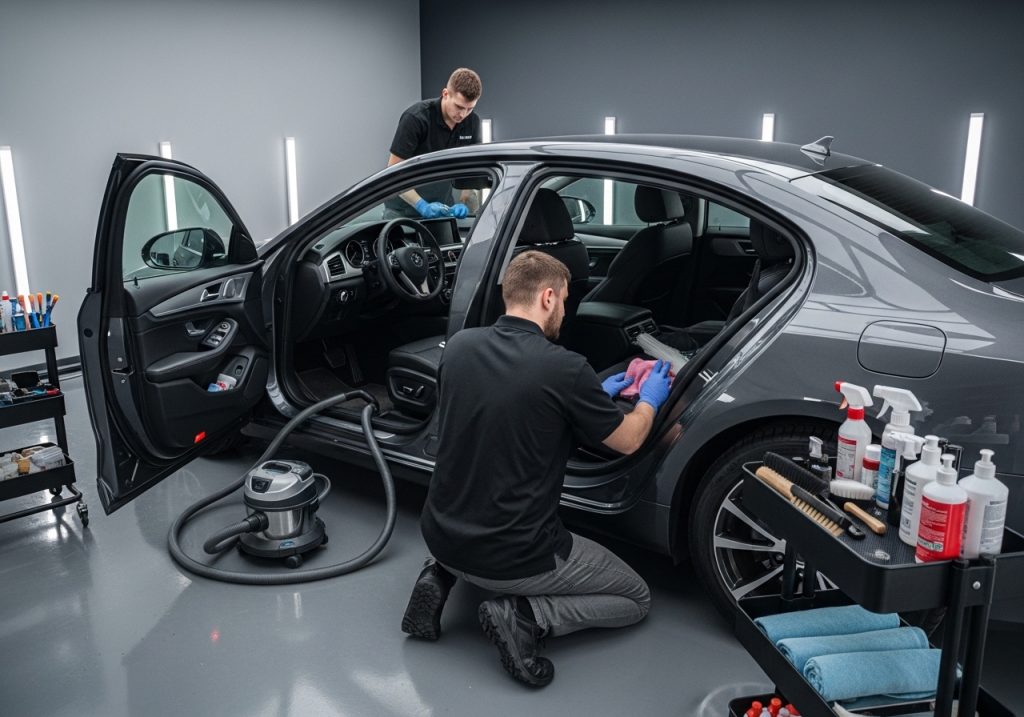
The most common reason ceramic coating fails early is bad surface prep. Before applying the coating, the car’s paint must be perfectly clean and free of contaminants. If there is wax, grease, old polish, or iron deposits left on the surface, the coating cannot bond properly. It sits on top of these contaminants instead of bonding with the paint. Over time, it peels away or loses its protective power. Many people rush this step, which leads to early failure.
Paint correction also plays a big role in surface prep. If the car has swirl marks, scratches, or oxidation, these flaws get sealed under the coating. This weakens the bond between the coating and the paint. A clean and polished surface is not optional. It is required for the coating to last.
Applying the Coating in the Wrong Conditions
Temperature and humidity matter a lot during application. Ceramic coating needs to be applied in a controlled environment. If it is too hot, the coating can flash dry before it bonds evenly. If it is too cold, it may not cure properly. High humidity causes the coating to react with moisture in the air instead of with the paint surface. This weakens the final bond and shortens the life of the coating.
Many people apply ceramic coating in their driveway or garage without checking the temperature or humidity. This is a very common mistake. Ideal conditions are usually between 60 and 77 degrees Fahrenheit with low humidity. Even indoor applications can go wrong if the space is not properly ventilated or temperature controlled.
Using Low Quality or Fake Products
Not all ceramic coatings are made the same way. There are many cheap and fake products on the market that claim to offer professional results. These products may look and feel similar to real ceramic coatings, but they do not contain the same concentration of silicon dioxide or titanium dioxide. These are the active ingredients that create the hard protective layer. Low quality coatings wear down much faster because they simply do not have enough of the right ingredients.
Some people also buy counterfeit versions of popular ceramic coating brands. These fake products are sold online at lower prices. They may look exactly like the real product on the outside, but the formula inside is completely different. Always buy from trusted sources and authorized dealers to avoid this problem.
Skipping or Rushing the Curing Process
After applying ceramic coating, it needs time to cure. Curing is the process where the coating hardens and fully bonds with the paint. This process can take anywhere from 24 hours to a full week depending on the product. During this time, the car should not get wet, dirty, or exposed to direct sunlight for long periods.
Many car owners wash their car or drive it in rain right after application. This interrupts the curing process. When curing is cut short, the coating never reaches its full hardness. It remains soft and thin, which means it will fail much sooner. Patience during the curing stage is just as important as the application itself.
Not Washing the Car the Right Way
Even a great ceramic coating can fail if the car is not washed properly. Automatic car washes with stiff brushes scratch the coating and wear it down over time. Harsh soaps and degreasers break down the coating’s chemistry. Using dirty wash mitts drags debris across the surface and causes micro scratches that weaken the coating.
A proper hand wash with a pH neutral soap and a clean microfiber mitt is the right way to maintain ceramic coating. Two bucket wash methods help prevent cross contamination. Regular maintenance washes are also important. If dirt and grime are left to sit on the coating for too long, they can etch into the surface and damage the bond.
Ignoring Maintenance Booster Products
Many professional ceramic coatings recommend using a ceramic booster spray every few months. This booster refreshes the hydrophobic properties of the coating and adds a thin protective layer on top. Skipping this step causes the coating to degrade faster. The booster spray is like a vitamin for the coating. It keeps it strong and active.
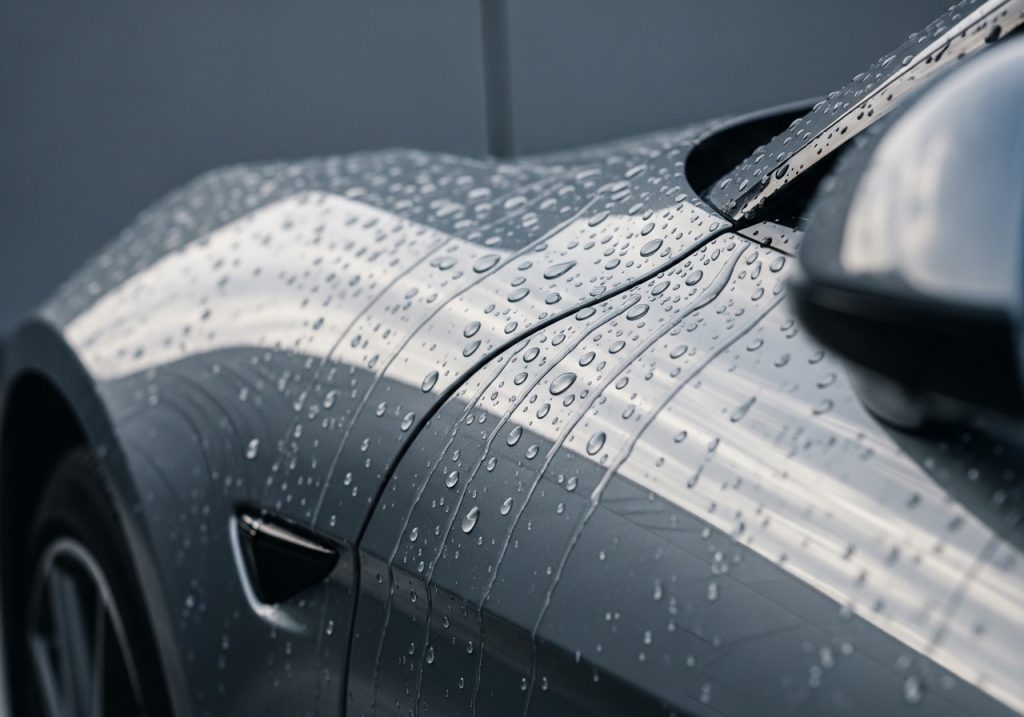
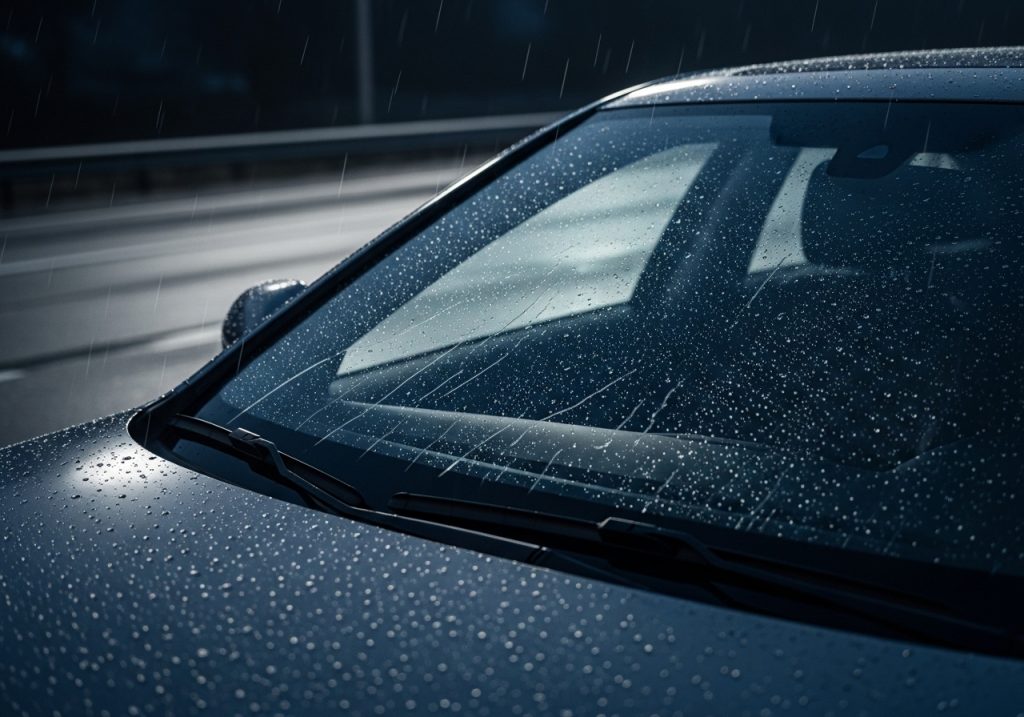
Car owners who skip boosters often notice water no longer beads up on the surface after six to twelve months. This is a sign that the top layer of the coating has worn away. With regular booster applications, the coating can last well beyond its expected lifespan.
Harsh Environmental Factors
Some environments are harder on ceramic coatings than others. Cars parked outside in very sunny climates face constant UV exposure. Cars near the ocean deal with salt air that slowly eats through protective layers. Industrial areas have airborne chemicals and fallout that bond with the coating and cause damage.
Tree sap and bird droppings are two of the most damaging things for ceramic coating. They are acidic and can etch through the coating if not removed quickly. Even a strong ceramic coating cannot hold up against these substances if they are left on the surface for days.
Choosing an Inexperienced Installer
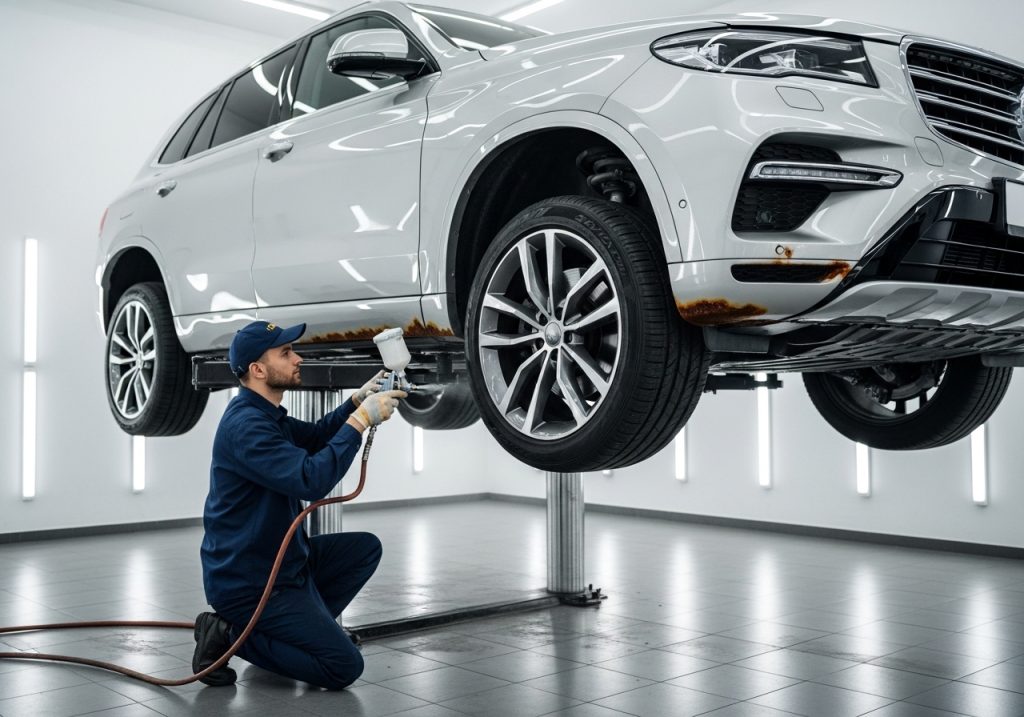
Professional installation matters more than most people think. An inexperienced installer may apply too much product, leave high spots, or miss sections of the car. High spots are areas where the coating dried unevenly. They look like streaks or haze and are very difficult to remove after curing.
A trained installer knows how to prep the surface, control the environment, and apply the product in thin even layers. Choosing someone with little experience to save money often leads to early failure and costly correction later. Always check reviews, ask for certifications, and look at before and after photos before trusting someone with your car’s paint.