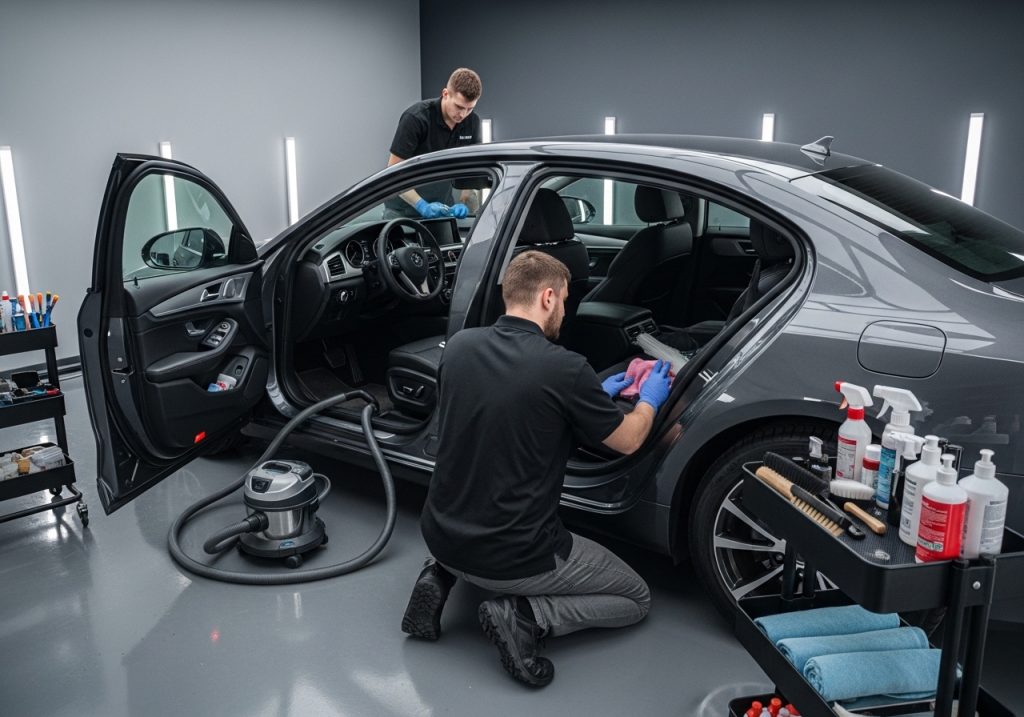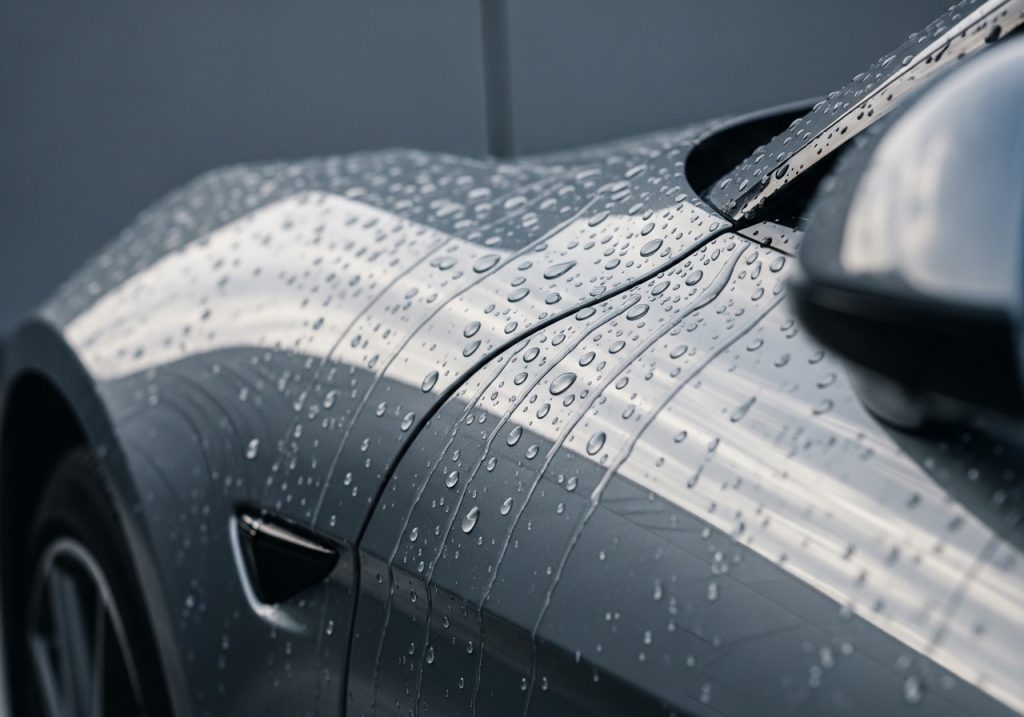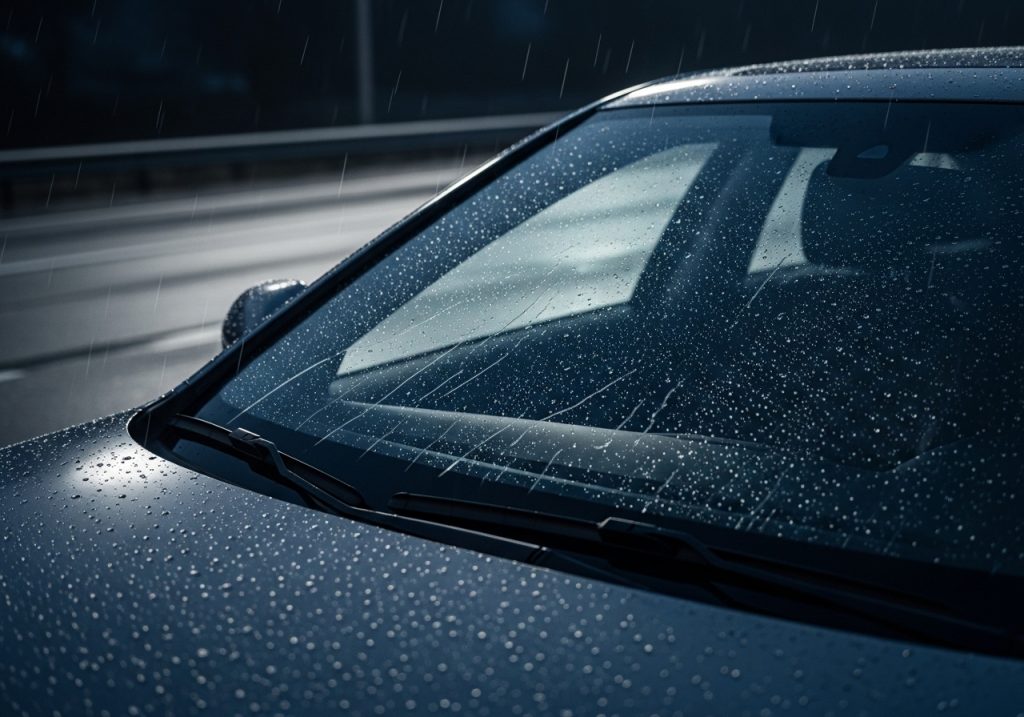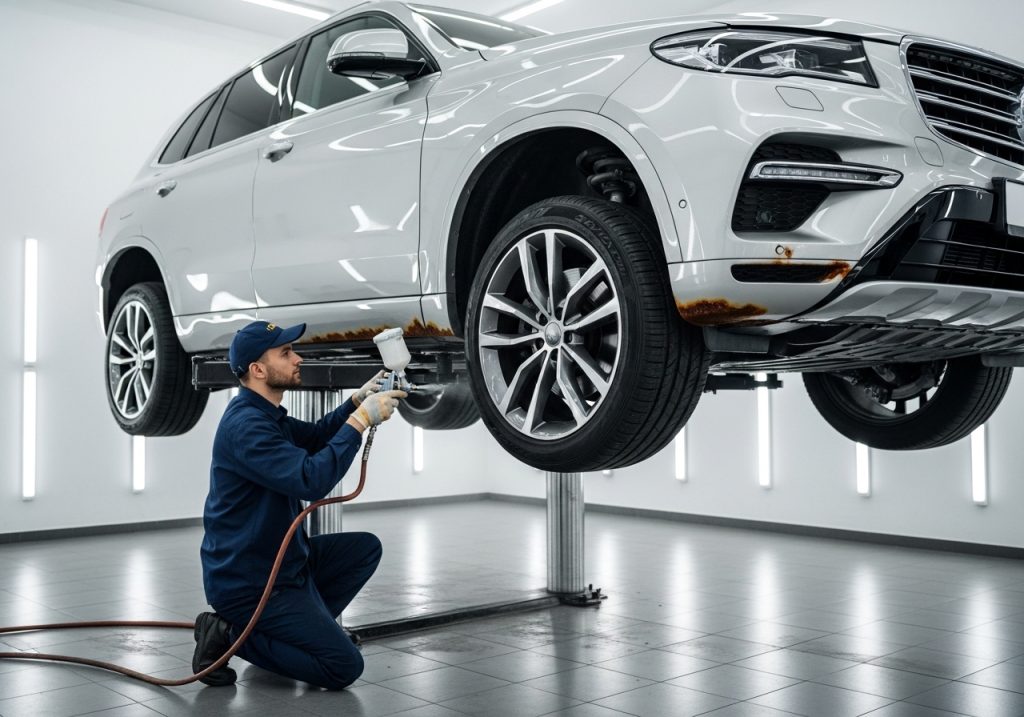
If you live in Pakistan, you already know what the sun is like here. In cities like Karachi, Lahore, and Multan, the heat and sunlight are relentless for a good chunk of the year. And while you might be thinking about what that does to you, your car’s paint is taking the same beating every single day.
UV fading is one of the most common and most overlooked causes of paint damage on cars in Pakistan. The good news is that ceramic coating directly addresses this problem. Here is exactly how it works and why it matters so much in our climate.
What UV Rays Actually Do to Car Paint
Sunlight contains ultraviolet rays, the same ones that cause sunburn on your skin. When these rays hit your car’s paint repeatedly over time, they break down the chemical bonds in the paint’s clear coat and colour layer. This process is called oxidation, and it is what causes paint to look faded, chalky, and dull.
It does not happen overnight. It is a slow process that sneaks up on you. One day you look at your car and realise it no longer has that deep, rich colour it had when you first bought it. The red has gone pinkish, the black looks grey, the white has turned a tired yellowish tone. That is UV damage at work.
Why Pakistan Makes It Worse
In countries with milder climates, UV damage progresses slowly. In Pakistan, the conditions accelerate everything. Here is why:
The sun is intense here for eight to ten months of the year. UV index levels in cities like Karachi and Multan regularly hit the extreme range during summer, which is the same category that dermatologists warn people about for skin cancer risk. Your car sits in that same sun, often for hours at a stretch with no shade.
On top of that, high temperatures speed up the chemical reactions that cause oxidation. A car parked on a street in Karachi in July is dealing with not just UV rays but also surface temperatures that can exceed 70 to 80 degrees Celsius on dark paint. That combination degrades paint far faster than UV alone.
Add dust, smog, and pollution into the mix, and the paint is under constant attack from multiple directions at once.
How Ceramic Coating Blocks UV Damage
Ceramic coating creates a hard, transparent layer over your car’s paint that is chemically resistant and UV stable. Think of it as a permanent sunscreen for your car that does not wash off, does not need to be reapplied every few hours, and does not lose its SPF after getting wet.
It Acts as a Physical Barrier
The coating sits on top of the clear coat and intercepts UV rays before they can reach the paint layers below. Instead of the UV energy being absorbed by your paint and breaking down its structure, it is largely blocked by the ceramic layer above it.
This does not mean zero UV gets through, but the amount that reaches the paint is dramatically reduced. Over the years, that reduction makes a massive difference to how well the paint holds its colour and depth.
It Resists Heat Buildup
A good ceramic coating also has some thermal resistance, meaning it does not absorb and transfer heat as readily as bare paint or a traditional wax. This helps keep surface temperatures slightly lower, which slows down the oxidation process. In Pakistan’s extreme summer heat, even a modest reduction in surface temperature has a compounding effect over time.
It Seals the Paint From Environmental Pollutants
UV damage rarely works alone. In cities like Karachi and Lahore, the air carries industrial pollutants, acid rain residue, and fine dust particles that settle on the paint and compound the damage UV rays cause. Ceramic coating creates a sealed surface that prevents these contaminants from bonding directly to the paint. When the paint is clean and sealed, UV rays have less to react with, which slows oxidation further.
The Difference Between Ceramic Coating and Wax for UV Protection
A lot of car owners in Pakistan still rely on traditional wax or paint sealants for protection. These products do offer some UV resistance, but there is a significant gap in performance when you compare them to ceramic coating.
How Long the Protection Lasts
A good wax in normal conditions lasts anywhere from four to eight weeks before it breaks down and washes away. In Pakistan’s heat, that lifespan shortens considerably. You might get three to four weeks out of a wax job before the UV protection is essentially gone.
Ceramic coating, by contrast, lasts years. A properly applied two-layer coating can protect your paint for three to five years without needing to be reapplied. In terms of UV protection alone, that is a completely different level of commitment to your car’s paint health.
How Well the Protection Holds Up
Wax softens in heat and can melt or smear when surface temperatures get very high. This is a real problem in Pakistani summers where the car is essentially sitting in an oven when parked in the open. When wax breaks down, the UV protection goes with it.
Ceramic coating is hard and heat stable. It does not soften or melt in normal operating temperatures, which means its UV protection stays intact even on the hottest days of the year.
Which Colours Are Most at Risk in Pakistan’s Sun?
All paint colours are affected by UV fading, but some show the damage more obviously than others.
Dark Colours
Black, dark blue, dark green, and dark grey cars absorb more heat and UV energy than lighter colours. They tend to show oxidation as a loss of depth and richness. A black car that was once mirror-like starts to look flat and almost brownish in direct sunlight. Dark colours also make swirl marks and scratches more visible as the clear coat degrades.
Bright and Saturated Colours
Red is the most well-known victim of UV fading. The pigments in red paint are particularly vulnerable to UV rays, and a red car can start looking noticeably pink or orange within just a few years of regular sun exposure without protection. Similarly, bright blues and greens can shift and lose their vibrancy.
Lighter Colours
White and silver cars show UV fading differently. Rather than an obvious colour shift, they tend to develop a chalky, dull surface texture as the clear coat oxidises. The colour itself may not look drastically different, but the finish loses its gloss and starts to look tired.
Regardless of colour, ceramic coating slows down the fading process for all of them.
Real World Results: What You Actually Notice Over Time
Let’s talk practically. What does ceramic coating UV protection actually look like in day-to-day life in Pakistan?
In the first year or two, you may not notice a dramatic difference between a coated and uncoated car simply because paint takes time to fade. But look at both cars after three or four years of the same conditions, and the difference becomes hard to ignore.
The coated car holds its colour better. The paint still has depth and gloss. The clear coat is intact and smooth. Washing still brings up a shine.
The uncoated car starts to look its age. The colour is flatter, the surface feels slightly rough, and no amount of washing brings back the original look without serious paint correction work.
This is not an exaggeration. Detailers who work on older cars see this difference constantly, and it is one of the most compelling arguments for getting coated early, before the damage has already set in.
When Is the Best Time to Get Ceramic Coating in Pakistan?
The honest answer is: as soon as possible, ideally when the car is new or has just had a paint correction done. The reason is simple. Ceramic coating protects what is already there. If the paint is already in good condition, the coating locks that in and preserves it for years. If the paint has already faded or oxidised, you need to correct it first before coating, which adds cost and time.
Avoid Waiting Until Summer
Ironically, while UV protection is most needed in summer, the extreme heat can make ceramic coating application more challenging. The coating can flash cure too quickly in very high temperatures if not handled carefully, which affects the final result. Spring or cooler months are often the ideal time for application, giving the coating a controlled environment to cure properly.
That said, a skilled professional detailer knows how to work around temperature conditions, and getting coated any time is better than not getting coated at all.
Does Ceramic Coating Work on Older Cars Too?
Yes, but with an important condition. If an older car has paint that has already faded or oxidised, the coating cannot reverse that damage on its own. Paint correction needs to happen first. A detailer will machine polish the paint to remove the oxidised layer and restore clarity and colour before applying the coating.
Once that is done, the ceramic coating then protects the freshly corrected paint going forward. Many car owners in Pakistan are surprised by how different their older car looks after a correction and coating job. It can genuinely look years younger.
Final Thoughts
Pakistan’s sun is not gentle, and it is not going to get any easier on your car’s paint. UV fading is a slow, quiet process that most people only notice when it is already well advanced and expensive to fix.
Ceramic coating is the most practical and long-lasting answer to this problem. It blocks UV rays, resists heat, seals the paint from pollutants, and keeps your car’s colour looking the way it should for years rather than months.
If your car spends any amount of time outdoors in Pakistan, and most do, ceramic coating is not a luxury. It is genuinely one of the smartest things you can do to protect your investment.
Reach out to the Optimum Detailing team to find out which ceramic coating package makes the most sense for your car and how it can be protected against Pakistan’s harsh sun before the damage quietly adds up.