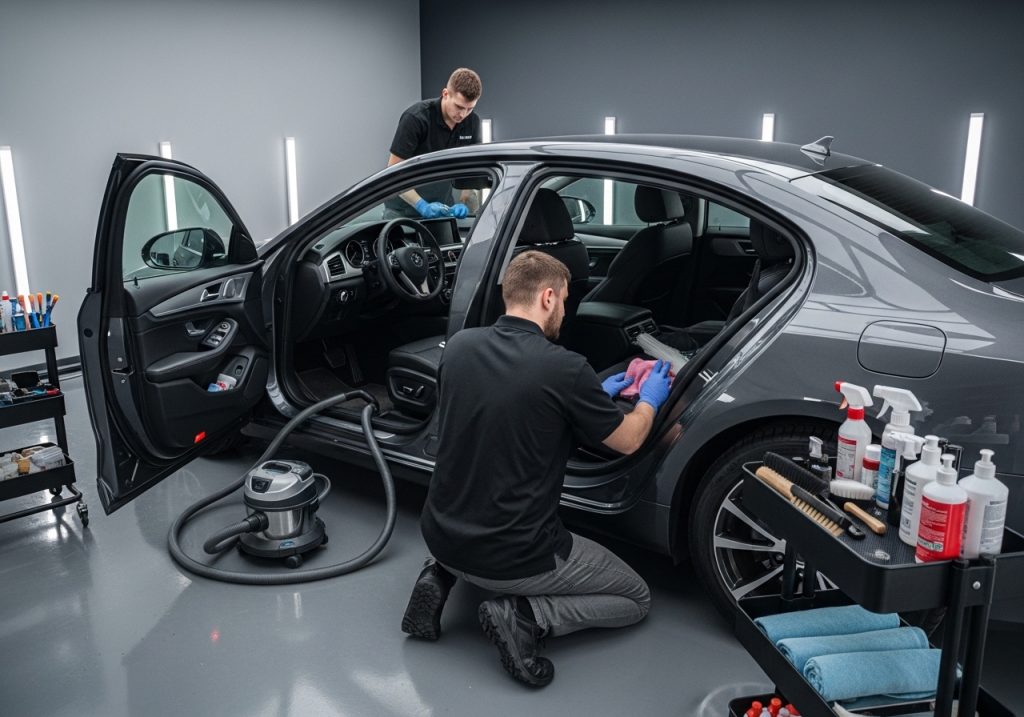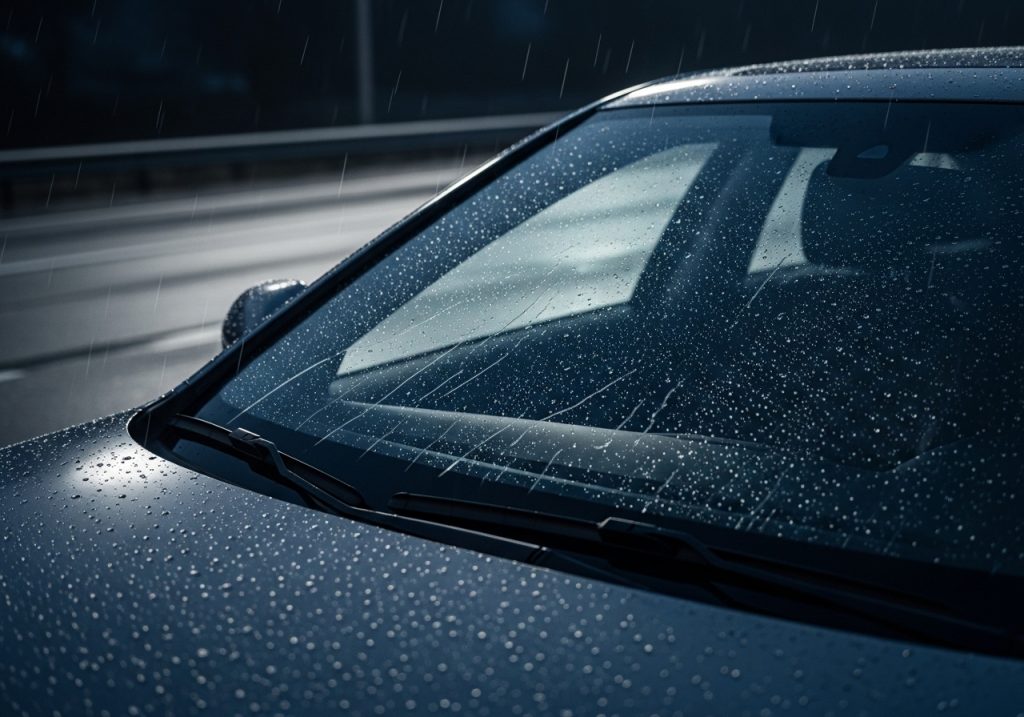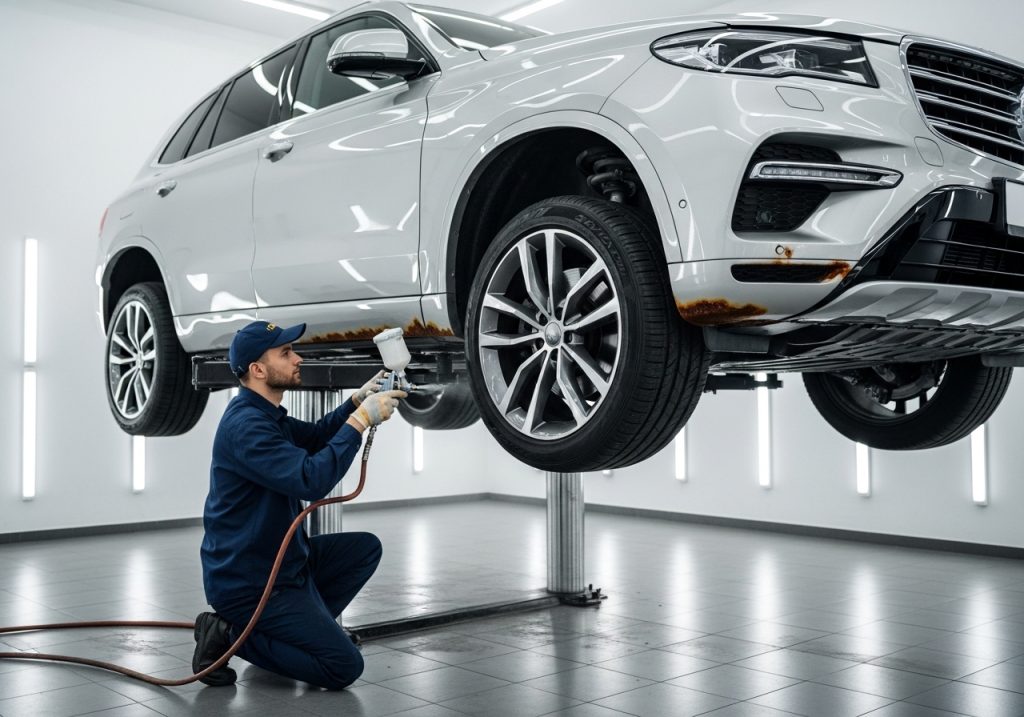
When most people hear “Paint Protection Film,” they think of one thing: protection. And that’s fair — keeping your car’s paint safe from stone chips, scratches, and sun damage is exactly what PPF is built for. But walk into a serious detailing shop today and you’ll quickly realise there’s a second conversation happening alongside the protective one. It’s about how your car looks after the film goes on.
Gloss or matte. Clear or transformative. Factory finish or something entirely your own.
The choice between gloss and matte PPF confuses a lot of car owners — and understandably so. Both protect your car. Both come from the same premium film technology. But they produce completely different results, require different care, and suit different types of drivers. If you’re trying to decide between them, this guide cuts through the noise and gives you an honest, practical answer based on real driving conditions in Karachi.
What Is PPF? (Quick Overview)
Paint Protection Film is a multi-layer polyurethane film applied directly over your car’s painted surfaces. It acts as a physical barrier between your paint and the world — absorbing stone chips, preventing fine scratches from daily contact, blocking UV radiation, and resisting chemical contamination from bird droppings, tree sap, and industrial fallout.
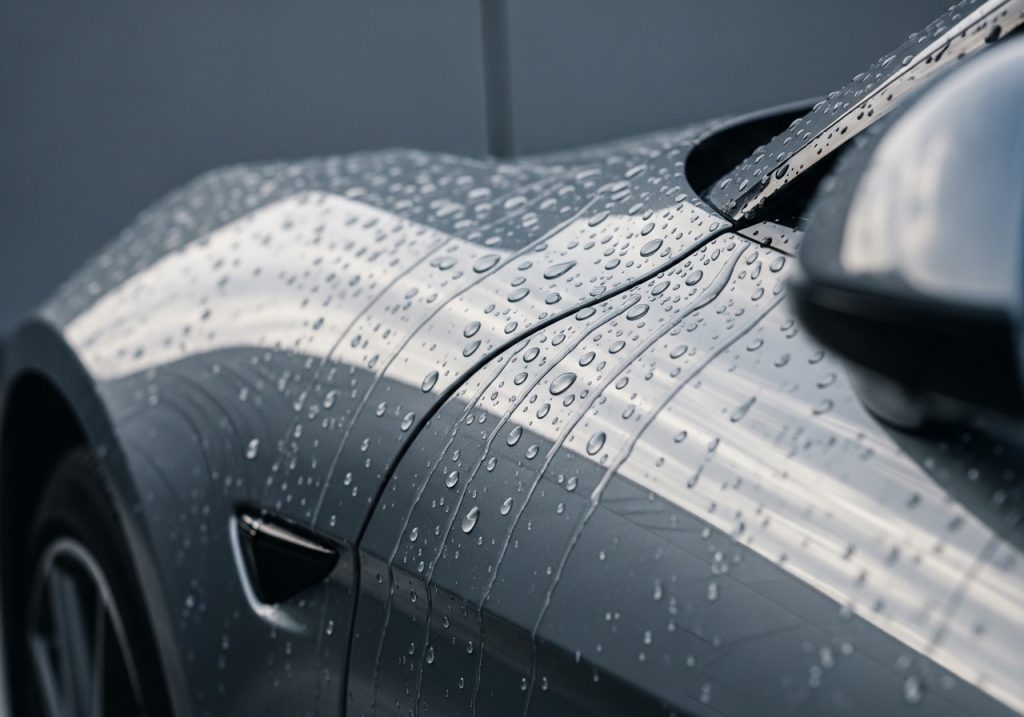
Modern PPF is also hydrophobic, meaning water and dirt don’t bond easily to the surface. And the best films — including FlexiShield PPF, the USA-made PPF used at Optimum Detailing — are self-healing. Light scratches in the film’s surface disappear with heat exposure, either from sunlight or warm water, leaving the surface looking clean again without any intervention.
Optimum Detailing is an official distributor of FlexiShield in Pakistan. That distinction matters. It means the film isn’t a locally sourced generic alternative — it’s an imported, premium-grade product with consistent manufacturing quality, proper UV stabilisers, and the kind of clarity retention that cheaper films simply cannot maintain over time. Budget films yellow. They peel at the edges. They lose their optical clarity within a year or two. FlexiShield doesn’t.
The base technology — the protection, the self-healing, the hydrophobics — is the same across FlexiShield’s gloss and matte variants. The difference between them is almost entirely in what your car looks like after installation.
What Is Gloss PPF?
Gloss PPF is optically clear film that preserves and enhances your car’s existing paint finish. Once applied, the car looks like it has nothing on it — except with noticeably more depth, richness, and shine than bare paint alone.
The film’s glossy surface amplifies the reflectivity of the paint underneath. Colours appear more saturated. Metallic flakes in the paint catch light more dramatically. The overall effect is a car that looks cleaner, newer, and more vivid than it did before the film was applied.
Gloss PPF works best on:
- New cars straight from the showroom, where you want to lock in and enhance the factory finish
- Already glossy paint — dark colours like black, navy, and deep red benefit particularly from the added depth
- Cars where the owner wants the original look maintained — no style change, just superior protection
If you love how your car looks right now and you want it to look exactly like that — just better protected and easier to maintain — gloss PPF is the answer.
What Is Matte PPF?
Matte PPF does something entirely different. Instead of enhancing the existing finish, it transforms it. A glossy car goes under the film and comes out with a flat, satin, or stealth finish. The result is dramatic — and intentional.
Matte PPF is chosen by people who want their car to stand apart. The flat finish absorbs light rather than reflecting it, giving the car a subdued, purposeful look. It’s the aesthetic favoured by modified builds, luxury vehicles wrapped for individuality, and owners who want something that simply doesn’t look like everything else on the road.
Beyond pure style, matte film also has a functional nuance: it can convert a standard glossy car into a matte finish without respraying. This is significant because a factory matte respray is expensive, difficult to touch up, and permanent. Matte PPF delivers the same look while remaining removable, repairable, and protective.
Matte PPF works best for:
- Style-focused owners who want a custom, head-turning finish
- Drivers who are tired of their car looking identical to every other model on the road
- Those who want the flexibility to change the look later without committing to a permanent respray
Visual Difference: Gloss vs Matte
The difference between these two finishes is one of the most stark visual contrasts in automotive detailing.
Gloss PPF produces a reflective, mirror-like surface. Light bounces off it sharply. The paint beneath looks three-dimensional. Standing next to a gloss-coated car in direct sunlight, you’ll see crisp reflections, vibrant colour, and the kind of finish that reads as immaculate from across a car park.
Matte PPF produces what detailers call a “stealth” look. Light doesn’t bounce — it’s absorbed into the flat surface. The car looks intentionally understated but deeply purposeful. There are no reflections, no shine, no sparkle. Just a rich, smooth, completely uniform flat finish that looks like something from a car show or a high-end automotive film.
Neither is objectively more attractive — that’s entirely subjective. But they project completely different personalities. Gloss says clean and sharp. Matte says deliberate and distinctive.
If you’re on the fence, pictures alone won’t fully convey it. Seeing both finishes in person, in natural light, on a real car, will give you clarity that no blog can.
Performance in Karachi’s Conditions
This is where the conversation gets specific to where you actually drive.
Dust visibility is a genuine consideration in Karachi. Fine dust settles on every car, every day. On a gloss surface, dust is highly visible — it contrasts against the shiny reflective finish and becomes obvious within hours of washing. Matte surfaces, being non-reflective, show fine dust slightly less dramatically. It’s not night-and-day, but for owners sensitive to how the car looks between washes, matte can be marginally more forgiving in dusty conditions.
UV exposure is handled equally well by both variants. FlexiShield film has UV protection built into the film itself, meaning neither finish allows the underlying paint to fade, oxidise, or degrade under Karachi’s intense year-round sun. This is a significant advantage over unprotected paint, regardless of which finish you choose.
Daily driving wear — stone chips from motorways, kerb rash risk in tight parking, door dings in crowded markets — is where both films perform identically. The multi-layer polyurethane construction absorbs impacts and self-heals from light scratches with heat. Your finish, whether gloss or matte, is protected at the same level by the same material.
Maintenance Differences
This is the single most important practical difference between the two, and it’s worth paying close attention to.
Gloss PPF is relatively forgiving to maintain. You wash it the same way you’d wash a well-maintained car — with a pH-neutral shampoo, clean microfibre, and proper technique. If you’re not particularly strict about your washing method, gloss film is more tolerant of occasional lapses. Light swirls in the film’s surface can be polished out carefully, and the self-healing property handles minor contact marks. Standard maintenance products work without restriction.
Matte PPF requires more deliberate care. Because the flat finish is created by a specific microscopic surface texture, anything that smooths or fills that texture will alter the appearance. This means:
- No polishing — polish compounds fill the micro-texture and create glossy patches on a matte finish, ruining the uniform flat look
- No wax — traditional car wax has the same effect as polish on matte film
- Specific matte-safe products only — pH-neutral shampoos designed for matte finishes, and matte-compatible detailing sprays
- More careful drying — spot water marks are more visible on matte surfaces and should be removed promptly with a clean microfibre
This doesn’t mean matte PPF is impractical — it just means it rewards owners who are willing to follow the correct process. If you’re someone who hands your car to a roadside car wash and doesn’t think about it, matte PPF will likely give you problems. If you’re the type to care carefully for your car, the maintenance is entirely manageable.
Durability and Protection: Do They Actually Differ?
Directly: no. Both gloss and matte FlexiShield PPF are built from the same base polyurethane material. The protective properties — self-healing, UV resistance, hydrophobic surface, impact absorption, chemical resistance — are identical across both variants.
The matte finish is created through the film’s surface texture and formulation, not through a fundamentally different protective structure. You are not trading protection for aesthetics or vice versa. Both finishes protect your paint at the same level, for the same lifespan, under the same conditions.
The differences are in appearance and in maintenance requirements — not in how well the film does its fundamental job.
Cost Comparison in Pakistan
Matte PPF is generally priced slightly higher than gloss PPF, and there are a few reasons for this.
The film material itself costs more at the source. The installation process also demands additional precision — matte film shows installation imperfections more readily than gloss, because seams, tension points, and edge work are harder to conceal against a flat surface. Experienced installers take more time and care, and that skill commands a fair premium.
For most vehicles, the cost difference between gloss and matte PPF at a professional level is meaningful but not dramatic. The more significant cost variable is coverage — full-body PPF versus partial coverage of high-impact zones. That decision affects total cost far more than the finish choice.
What shouldn’t vary is the quality of the film itself. Choosing a cheaper, locally sourced film to save money is a false economy. Films that yellow, peel, or lose clarity within two years need to be removed and replaced — which costs more in total than doing it right once with a premium product like FlexiShield. Not all PPF is equal, and the difference between a premium imported film and a generic alternative becomes obvious within eighteen months of installation.
Which One Should YOU Choose?
There’s no universal answer — but there is a right answer for your specific situation.
Choose Gloss PPF if:
- You love your car’s current paint colour and finish and want to preserve it exactly
- You want a clean, sharp, showroom look that photographs brilliantly
- You prefer lower-maintenance care with more flexibility in washing products
- Your car is a daily driver and you want protection without any change in appearance
Choose Matte PPF if:
- You want your car to stand out and make a visual statement
- You’ve been considering a matte respray but want a reversible, protective alternative
- You’re willing to follow matte-specific maintenance practices
- You’re building a custom look and the matte finish is central to the aesthetic
If you’re genuinely undecided: think about how you use your car day-to-day, who washes it, and whether you’re drawn to the matte look because you love it or simply because it seems different. Matte PPF is an excellent product — but it requires specific care, and owners who underestimate that sometimes end up frustrated. Gloss is more universally forgiving and universally flattering.
Common Mistakes People Make
Choosing matte PPF without understanding the maintenance. The number one regret among matte PPF owners who aren’t happy with their result is discovering — after installation — that their usual washing habits won’t work. Understand the requirements before committing.
Going cheap on the film itself. This is an almost universal mistake. Generic films look good for six to twelve months and then begin yellowing, bubbling at the edges, or developing haze. By the time you remove the film, your paint has often been sitting under degraded material that provides none of the promised protection. Premium film applied once is cheaper over five years than budget film replaced twice.
Not covering high-impact areas. Stone chips happen most frequently on the front bumper, bonnet leading edge, side mirrors, and the lower front wings. If budget is a constraint, prioritise these zones rather than skipping PPF entirely or applying a thin, cheap film across the whole car. Strategic premium coverage beats full-car budget coverage.
Applying PPF over unprepped paint. PPF, like ceramic coating, bonds to whatever is underneath it. Surface contamination, swirl marks, and uncorrected paint defects get sealed in permanently. Professional prep — including decontamination and correction using products like 3M and 3D Car Care — is what separates a great installation from a disappointing one.
Conclusion
Gloss versus matte PPF isn’t really a question of which one works better — both work excellently when installed correctly with quality film. The real question is which one works better for you, based on your priorities, your maintenance habits, and how you want your car to look.
Gloss PPF is the confident, practical choice: enhanced factory finish, strong protection, easier maintenance, and a result that flatters virtually every car and colour.
Matte PPF is the bold, expressive choice: a transformative look, the same level of protection, and a finish that turns heads precisely because it’s not what most cars wear.
The only wrong choice is making it without the right information — or saving money on the film itself and undoing every benefit you paid for.
If you’re unsure which direction makes sense for your car, Optimum Detailing offers assessments and consultations where you can see both finishes in person, discuss coverage options, and get a recommendation based on your specific vehicle and driving habits. Start with a conversation — the right PPF choice begins long before any film is applied.