What Is Graphene Coating
Graphene coating is one of the newest and most advanced forms of paint protection available for cars today. It is similar to ceramic coating but it uses graphene as its main ingredient instead of silicon dioxide alone. Graphene is a material made from a single layer of carbon atoms arranged in a flat honeycomb pattern. Scientists have known for years that graphene is incredibly strong, lightweight, and flexible. When used in a car coating, it creates a very thin but extremely tough protective layer over the paint. Graphene coating has quickly gained attention because of how well it performs under difficult conditions including extreme heat.
Why Hot Climates Are Hard on Car Paint
Hot climates create some of the toughest conditions a car’s paint can face. Intense sunlight beats down on the surface for hours every day. UV rays break down paint and clear coat over time causing fading and oxidation. High temperatures cause the metal body of the car to expand and contract repeatedly. This constant movement puts stress on any protective coating sitting on top of the paint. Heat also makes water evaporate faster, which means water spots and mineral deposits dry onto the surface more quickly. In hot and dry regions, dust and sand add even more wear to the paint. All of these factors make paint protection much more important in warm climates.
How Graphene Handles High Temperatures
One of the biggest advantages of graphene coating in hot climates is its ability to handle high surface temperatures. Car surfaces in direct sunlight can reach extremely high temperatures on a hot day. Regular ceramic coatings can struggle under this kind of prolonged heat exposure. Graphene conducts and disperses heat very efficiently across its surface. This means heat does not build up and stay concentrated in one spot. Instead it spreads out and releases more evenly. This thermal management ability helps the coating stay stable and maintain its protective qualities even on the hottest days of the year.
Water Spot Resistance in Dry Heat
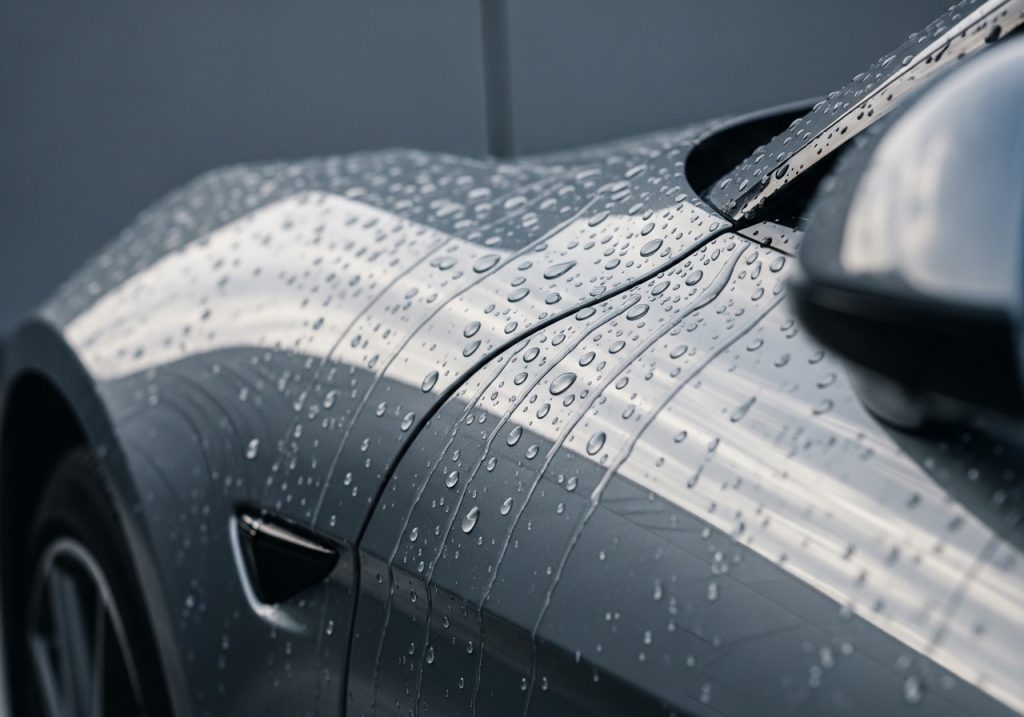
Water spots are a serious problem in hot climates. When water lands on a hot surface it evaporates very quickly. As it evaporates it leaves behind minerals and deposits that bond to the surface. These spots can etch into the clear coat and become very difficult to remove. Graphene coating has superior water spot resistance compared to standard ceramic coatings. The surface of a graphene coating is slicker and less reactive. Minerals have a harder time bonding to it. Even when water dries on the surface, the deposits sit loosely on top and are much easier to rinse or wipe away. This makes graphene coating a great choice for hot and dry regions.
UV Protection and Paint Preservation
Ultraviolet rays from the sun are one of the leading causes of paint damage in hot climates. UV rays break down the chemical bonds in paint and clear coat. Over time this causes the paint to look dull, faded, and chalky. This process is called oxidation. Graphene coating provides excellent UV protection. The dense layer of carbon atoms in graphene blocks UV rays from penetrating through to the paint underneath. This slows down oxidation significantly and keeps your car’s color looking rich and vibrant for much longer. In a sunny climate where cars are exposed to intense UV rays almost every day, this protection is extremely valuable.
Anti Static Properties Keep Dust Away
Hot and dry climates are often dusty places. Dust particles are attracted to car surfaces through static electricity. The more static a surface holds, the more dust it pulls in. Graphene has natural anti static properties. This means a graphene coated car builds up far less static charge than a car with ceramic coating or no coating at all. Less static means less dust sticks to the surface. Your car stays cleaner between washes. In desert regions or areas with dry and windy conditions, this benefit alone makes graphene coating stand out. A cleaner car also means less abrasive particles sitting on the paint and scratching it when wiped.
Flexibility Under Thermal Expansion
As mentioned earlier, hot climates cause the metal body of a car to expand when heated and contract when it cools down at night. This repeated movement is called thermal cycling. A coating that cannot flex with the surface will eventually crack or peel. Graphene is naturally flexible at a molecular level. Despite being incredibly strong, it can bend without breaking. This flexibility allows graphene coating to move with the surface of the car during thermal expansion and contraction. It maintains a tight and unbroken bond with the paint even after many cycles of heating and cooling. This makes it far more durable in hot climates than coatings that are rigid and inflexible.
Longevity in Harsh Sunny Conditions
Durability is a major factor when choosing any protective coating. In hot climates coatings wear down faster because of constant UV exposure and high temperatures. Ceramic coatings perform well but graphene coatings tend to last longer under these specific conditions. The strength of the graphene structure resists breakdown from heat and UV rays more effectively. Many graphene coatings are rated to last five years or more even in regions with intense sun and heat. This long lifespan means fewer reapplications and better long term value for car owners living in warm climates.
Gloss Retention Over Time
Another area where graphene coating shines in hot climates is gloss retention. Heat and UV rays tend to dull the shine of protective coatings over time. Graphene coating holds its gloss much better than many competing products. The hardness and smoothness of the graphene layer resists the kind of micro scratching and surface degradation that causes dullness. Your car keeps that deep and reflective shine even after months of exposure to harsh sun. For car owners who care about appearance as much as protection, this is a strong reason to choose graphene over other options in a hot climate.
Final Thoughts
Graphene coating is built for performance and hot climates put that performance on full display. From managing heat and resisting water spots to blocking UV rays and repelling dust, graphene coating handles the challenges of warm weather better than most alternatives. Its flexibility keeps it bonded through temperature swings and its durability means it lasts longer under intense sun exposure. If you live in a hot region and want the best possible protection for your car’s paint, graphene coating is a very smart and forward thinking investment.