If you have been looking into ceramic coating for your car, you have probably come across one question that keeps popping up: how many layers do you actually need? One? Two? More? It sounds like a simple question, but the honest answer depends on a few things, including your car’s condition, how you use it, and what kind of protection you are after.
Let’s break it all down in plain, simple terms.
What Is a Layer of Ceramic Coating, Anyway?
Before we get into numbers, it helps to understand what a layer actually means. When a detailer applies ceramic coating, they spread a thin liquid solution over your car’s paint. As it cures, it bonds to the surface and hardens into a glass-like protective shell.
One layer does not mean one coat like paint. Each application is extremely thin, and adding more layers builds up that protection gradually. Think of it like applying sunscreen. One coat gives you coverage, but two coats give you more peace of mind, especially if you are spending the whole day in the sun.
Does One Layer Actually Do Anything?
Yes, absolutely. A single layer of a quality ceramic coating does a solid job. It will:
- Protect your paint from UV rays, bird droppings, and light scratches
- Give your car that deep, glossy look
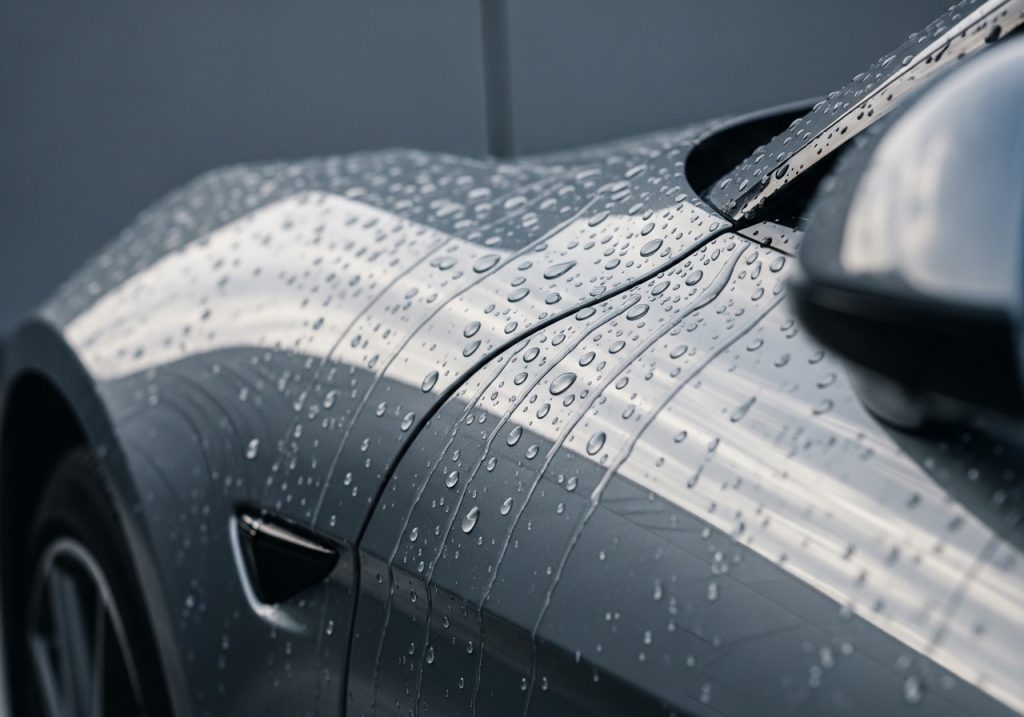
- Make washing much easier since dirt and water just slide off
- Last anywhere from one to three years depending on the product
For someone who parks their car in a garage most of the time and does not drive through harsh conditions regularly, one layer is often enough.
So Why Do Some Cars Get Two or Three Layers?
Great question. Here is where it gets interesting.
When Two Layers Make More Sense
Two layers of ceramic coating are the most common recommendation for daily drivers in cities like Karachi, where the sun is intense, roads can be dusty, and pollution is constant. The second layer fills in any thin spots from the first application and adds extra depth to the protection.
With two layers, you are looking at:
- Better durability, often three to five years
- A noticeably thicker protective barrier
- More resistance to water spots and light swirl marks
- A richer, deeper shine on the paint
Most professional detailers, including the team at Optimum Detailing, recommend two layers as the sweet spot for most car owners.
When Three or More Layers Are Worth It
Three layers are typically reserved for:
- High-end or luxury vehicles where the owner wants the absolute best protection
- Cars that are frequently exposed to harsh weather or parked outdoors all day
- Vehicles that will go years without a detail top-up
- Show cars or collector cars where flawless paint is a priority
Some premium ceramic coating packages go up to four or even five layers, but beyond three, the difference becomes harder to notice with the naked eye. The main benefit at that point is longevity rather than appearance.
Does More Layers Always Mean Better Protection?
Not necessarily. Here is something most people do not realise: the quality of the prep work matters far more than the number of layers.
If your car’s paint has swirl marks, oxidation, or fine scratches before the coating goes on, adding more layers will just lock those imperfections in. You will end up with a well-protected car that still looks dull or scratched under direct light.
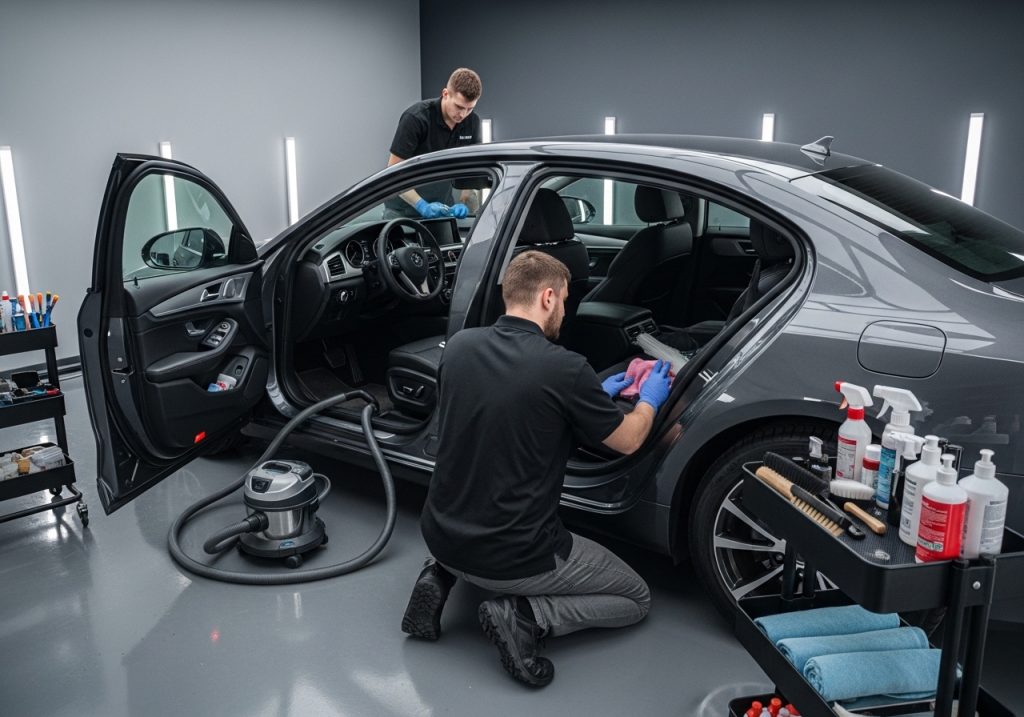
That is why a proper detail always starts with:
Paint Correction Before Coating
Paint correction is the process of machine polishing the paint to remove scratches, swirl marks, and any dullness. Once that is done and the surface is clean and smooth, even two layers of ceramic coating will look dramatically better than three layers on an unprepared surface.
Do not skip the prep. It is the most important step.
How Long Does Each Layer Take to Apply?
Each layer needs time to flash off, which usually means letting it sit for a few minutes before the next one goes on. After all layers are applied, the coating needs to cure, which typically takes 24 to 48 hours before you should expose the car to water, and sometimes up to two weeks for a full cure.
This is why ceramic coating is not a quick job. A proper application, including paint correction and multiple layers, can take anywhere from one to three days depending on the package you choose.
Which Ceramic Coating Package Should You Pick?
Here is a simple way to think about it:
Single Layer Package
Best for cars that are mostly garaged, lightly used, or already in excellent paint condition. Also a good option if budget is a concern but you still want real protection.
Two Layer Package
The most popular choice. Ideal for daily drivers, cars parked outside regularly, and anyone who wants a balance between cost and long-term protection. This is the package most people end up choosing.
Three Layer Package
For luxury vehicles, car enthusiasts, or anyone who wants the maximum protection and is willing to invest in it. If your car means a lot to you and you want it to stay looking new for years, this is where to go.
A Quick Word on Maintenance
No matter how many layers you go with, ceramic coating is not a set-it-and-forget-it solution. You still need to wash your car regularly using the right methods (no automatic car washes with harsh brushes), and getting a maintenance spray or top-up coat every year or so will keep the coating performing at its best.
Think of ceramic coating like a good pair of leather shoes. Even the finest leather needs occasional conditioning to stay in top shape.
Final Thoughts
For most car owners, two layers of ceramic coating hit the sweet spot between protection, longevity, and value. If you drive a daily car in tough conditions, two layers will serve you very well. If you own something special and want the best of the best, go for three.
But above everything, make sure you are going to a detailer who takes the prep work seriously. The layers on top only look as good as what is underneath.
Want to know which package is right for your specific car? Get in touch with the Optimum Detailing team and they will walk you through the right option based on your car’s condition, how you use it, and what you are looking to spend.