What Is Ceramic Coating Curing?
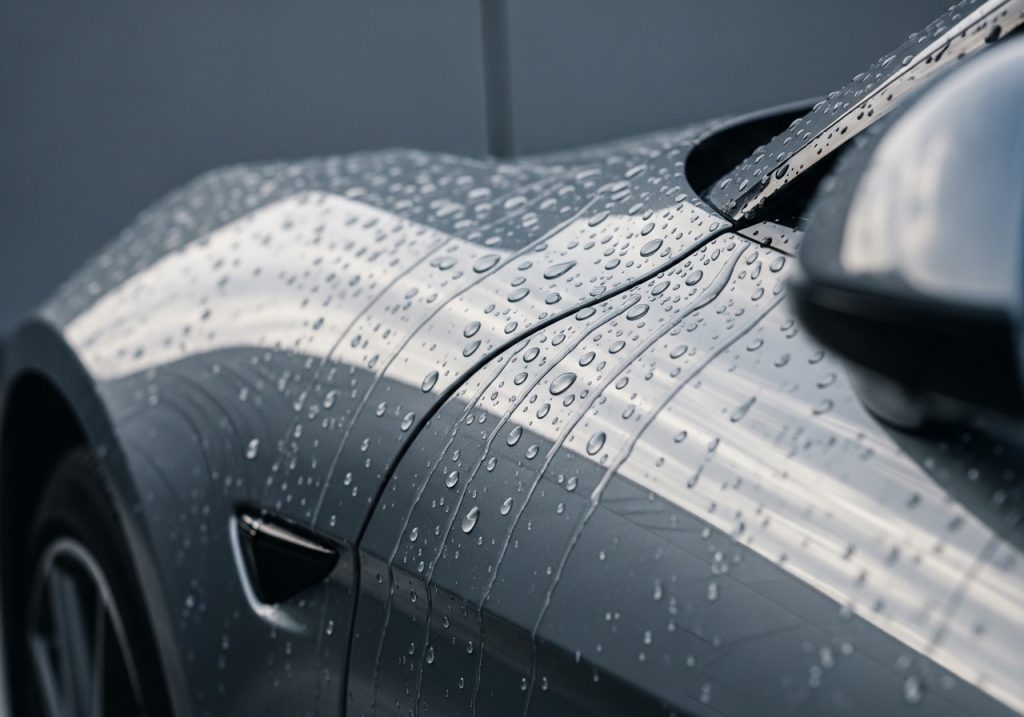
Ceramic coating curing is the process where the coating hardens and bonds to the surface of your car. When you apply ceramic coating, it is in liquid form. Over time, it goes through a chemical reaction and turns into a hard protective layer. This process is called curing. Curing is not the same as drying. Drying just means the surface feels dry to the touch. Curing means the coating has fully bonded and reached its maximum strength. Temperature plays a huge role in how fast or slow this process happens.
Why Temperature Matters So Much
Temperature is one of the most important factors in ceramic coating curing. The chemical reaction that makes the coating bond to the surface needs the right conditions to work properly. If it is too cold, the reaction slows down or stops completely. If it is too hot, the coating can dry too fast and not bond the way it should. Getting the temperature right gives the coating enough time to settle into the surface and form a strong and even layer. Ignoring temperature is one of the biggest reasons ceramic coatings fail early.
The Ideal Temperature Range for Curing
Most ceramic coating manufacturers recommend applying and curing the product between 50 and 80 degrees Fahrenheit. This range gives the coating the best chance to bond correctly. At these temperatures, the chemical reaction moves at a steady pace. The coating has time to level out and grip the surface before it hardens. Some high-end professional coatings have slightly different ranges. Always read the product label to find the exact recommended temperature. Following those instructions makes a big difference in the final result.
What Happens When It Is Too Cold
Cold temperatures slow down the curing process significantly. Below 50 degrees Fahrenheit, the coating becomes thicker and harder to spread evenly. The chemical reaction that bonds the coating to the surface slows down a lot. In very cold conditions, the coating may never fully cure. It can remain soft or tacky for a long time. This makes it easy to damage with water, dust, or even a light touch. Applying ceramic coating in freezing temperatures is a bad idea. The product may look fine at first but will not hold up well over time.
What Happens When It Is Too Hot
High temperatures cause the opposite problem. When it is too hot, the coating dries too quickly on the surface. This sounds like a good thing but it is not. When the coating flashes off too fast, it does not have enough time to bond deeply into the surface. This creates a weak layer that can peel or wear off much sooner than expected. Hot surfaces also cause high spots and streaks that are very hard to remove. Applying ceramic coating in direct sunlight or on a car that has been sitting in the sun is one of the most common mistakes people make.
How Humidity Affects Curing Too
Humidity works closely with temperature to affect the curing process. High humidity means there is a lot of moisture in the air. Some ceramic coatings actually need a small amount of moisture to trigger the curing reaction. But too much humidity can cause problems. It can make the coating cure unevenly or create a cloudy finish. Low humidity combined with high heat can cause the coating to cure too fast. The best conditions are moderate temperature with moderate humidity. Aim for humidity levels between 40 and 60 percent for the smoothest curing process.
Indoor vs Outdoor Application and Temperature Control
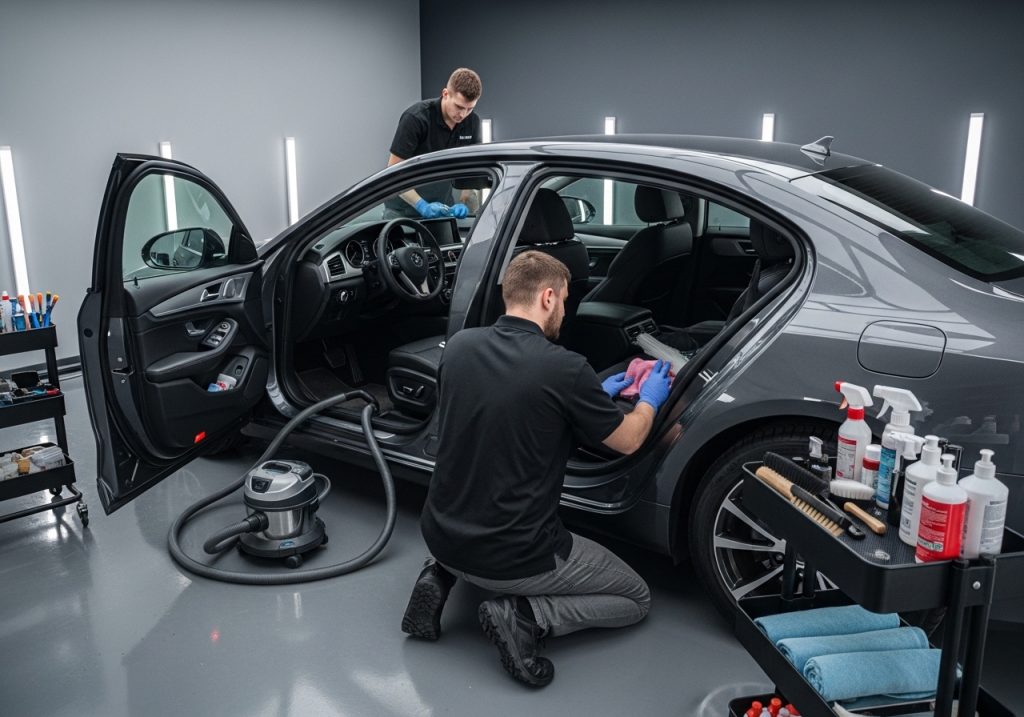
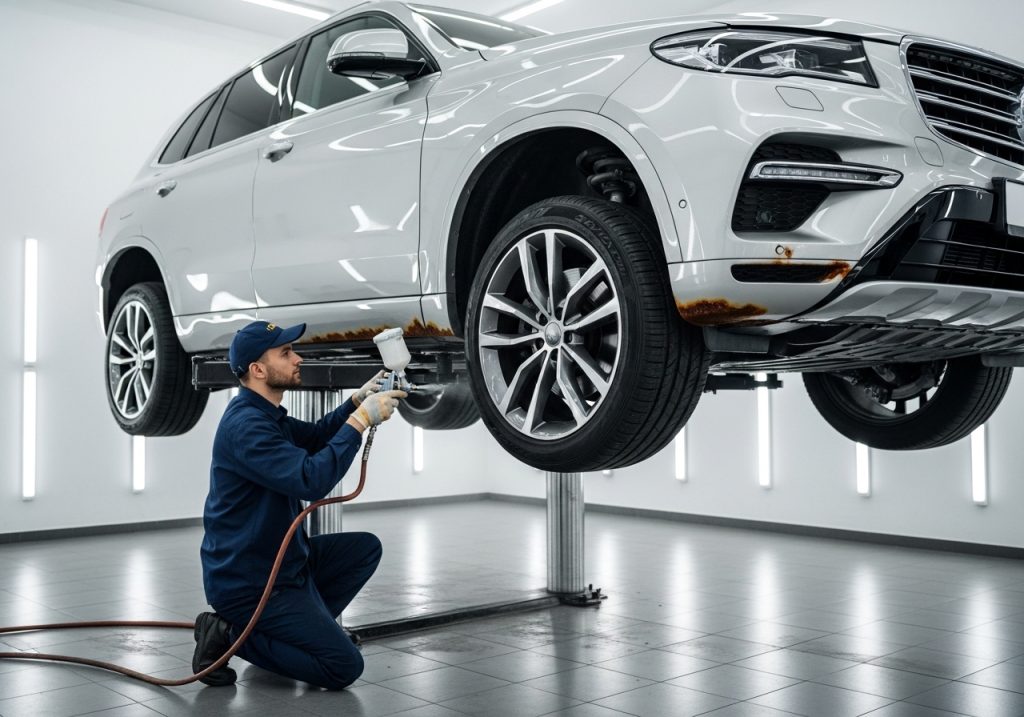
Applying ceramic coating indoors gives you much better control over temperature and humidity. A garage or enclosed space blocks wind, direct sunlight, and sudden weather changes. You can use a heater in cold weather or a fan in warm weather to keep conditions stable. Outdoor application makes it very hard to control the environment. The temperature can change quickly and wind can blow dust onto the fresh coating. If you must apply it outdoors, choose a calm day with mild temperatures and work in the shade. Early morning is usually the best time to avoid heat spikes.
How Long Does Full Curing Take at Different Temperatures
At the ideal temperature range of 50 to 80 degrees Fahrenheit, most ceramic coatings take about 24 to 48 hours to cure enough for light use. Full curing that reaches maximum hardness can take anywhere from two to four weeks. In cooler temperatures around 50 degrees, the process moves slower and can take longer than 48 hours for initial cure. In warmer temperatures close to 80 degrees, the initial cure may happen faster. However, the full curing period still takes weeks regardless of temperature. Rushing this process by washing or using the car too soon can damage the coating before it fully hardens.
Tips for Curing in Different Seasons
In summer, avoid applying ceramic coating in the middle of the day. The heat and sun are too intense. Early morning or late afternoon works better. In winter, bring the car into a heated garage before and after application. Let the car reach room temperature before you start coating. In spring and fall, the weather is usually closer to ideal conditions. These seasons are actually the best times of year to apply ceramic coating. No matter the season, always check the weather forecast before starting. Rain or sudden temperature drops can ruin a fresh application.
Why Patience During Curing Pays Off
Waiting for ceramic coating to fully cure is not easy but it is very important. Many car owners wash their car too soon or park outside before the coating is ready. This can leave water spots, streaks, or weak patches in the protective layer. Giving the coating the full time it needs to cure means you get all the benefits it promises. A properly cured ceramic coating can last two to five years. A rushed or poorly cured coating may only last a few months. The few weeks of patience you put in at the beginning saves you a lot of time and money later on.