What Is Underbody Rust and Why Does It Matter
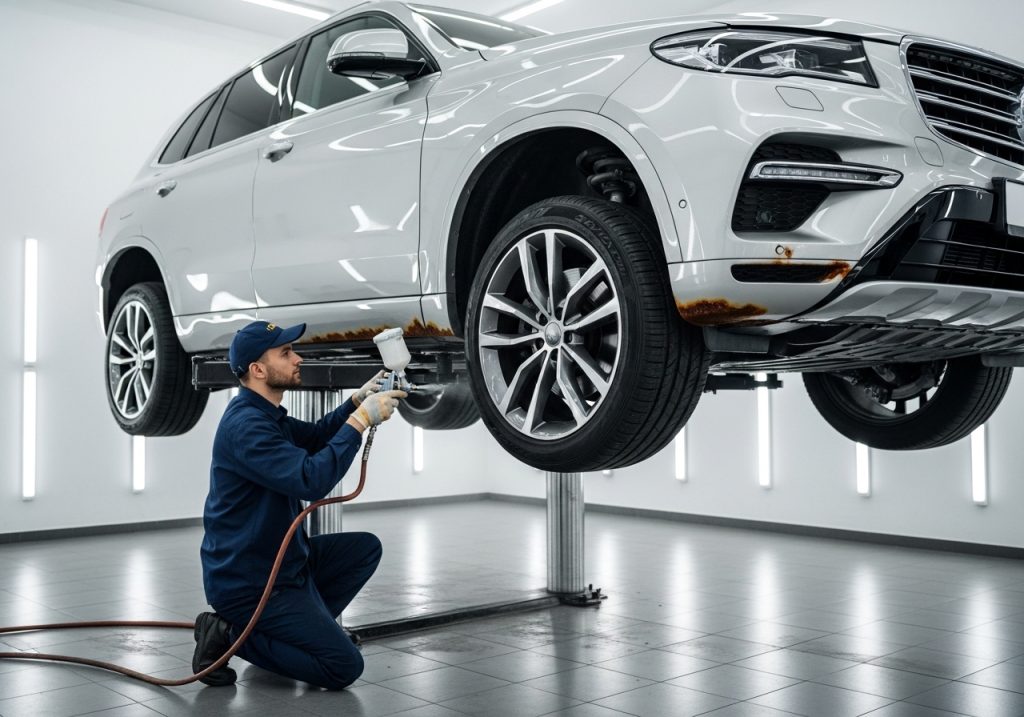
Rust is one of the biggest enemies of any car. It forms when metal gets exposed to water and oxygen over time. The underbody of your car is the area underneath it. This part faces the most exposure to rain, mud, snow, and road salt. Because it is hidden from plain sight, many car owners ignore it for years. By the time rust becomes visible from the outside, the damage underneath can already be very serious. Catching rust early can save you thousands of dollars in repairs.
The Most Common Signs of Underbody Rust
One of the first things you may notice is a reddish or orange discoloration on metal parts under your car. This is surface rust, and it is the earliest stage. At this point, the metal is still strong enough. But if you see flaking, bubbling, or holes in the metal, the rust has gone deeper. Deep rust weakens the structure of your car. Another common sign is rust dust or flakes falling from underneath the car when you drive over bumps. If you park your car and see reddish powder on the ground, that is a clear warning sign.
How to Do a Basic Visual Inspection
You do not need to be a mechanic to check for underbody rust. All you need is a flashlight and enough space to look under your car. Park on a flat, dry surface. Get low to the ground and shine the flashlight under the car. Look along the frame rails, which are the thick metal beams that run along both sides of the car from front to back. These are the most important parts to check. Also look at the floor panels, which are the flat metal sheets that form the bottom of your car’s interior. Check around the wheel wells too. These areas collect moisture and dirt, making them rust-prone spots.
What to Look for When You Inspect
When you look under the car, pay attention to the color and texture of the metal. Healthy metal looks dark gray or silver. Rust looks orange, red, or brown. Surface rust feels slightly rough but the metal underneath is still solid. You can tap it lightly with a screwdriver handle. If it sounds solid, the rust is still in the early stage. If it sounds hollow or the metal crumbles, the damage is serious. Look for any areas where the metal looks thin or has small holes. Even tiny holes can grow quickly and weaken important parts of your car.
Pay Special Attention to the Frame and Subframe
The frame and subframe are the backbone of your car. They hold everything together including the engine and suspension. Rust on these parts is very dangerous. If the frame gets weak from rust, it can bend or crack during a crash. This puts you and your passengers at serious risk. When checking the frame, look for thick orange rust patches or any signs of bending. A car with a severely rusted frame may not pass a safety inspection. In many cases, frame rust damage means the car is not worth repairing. It is always better to catch it early before it gets to that point.
Check the Exhaust System and Fuel Lines
The exhaust system runs from the engine all the way to the back of the car. It deals with extreme heat and moisture, which makes it rust faster than most other parts. Look at the exhaust pipes and muffler for heavy rust or holes. A rusted exhaust can leak harmful gases into your car’s cabin. The fuel lines carry gasoline from the tank to the engine. Rust holes in fuel lines can cause dangerous leaks. These lines are usually small and run along the underside of the car. If they look orange and crusty instead of clean metal, have a mechanic look at them right away.
Use Your Nose and Ears for Clues
Sometimes rust damage gives you clues you can hear or smell. A rattling sound from underneath the car can mean a rusted exhaust pipe or heat shield is loose. A musty or wet smell inside the car, especially near the floor mats, can mean the floor panels have rusted through. Water can seep in through rust holes in the floor. If your floor mats feel damp without a clear reason, lift them up and press on the floor. If the metal feels soft or flexible, rust may have already eaten through it. These small clues can lead you to a bigger problem before it becomes dangerous.
When to See a Professional Mechanic
A basic visual inspection is a great first step. But a mechanic has the tools and training to spot rust you might miss. If you plan to buy a used car, always have it inspected by a trusted mechanic before you buy it. Ask them to put it on a lift so they can see the entire underbody clearly. If you already own a car and suspect rust damage, do not wait. The longer you wait, the worse the rust gets. A mechanic can tell you whether the rust is surface level or structural. They can also recommend treatments or repairs that can stop the rust from spreading.
How to Protect Your Car From Underbody Rust
Prevention is always better than repair. Washing the underside of your car regularly removes salt, mud, and debris that cause rust. Many car washes have an underbody rinse option. Using a rust-proof coating or undercoating spray on the underbody adds a protective layer between the metal and moisture. If you live in a place with heavy snow or near the ocean, this step is especially important. Road salt and salt air speed up rust more than anything else. Parking in a garage also helps keep your car dry. A few simple habits can add years to your car’s life and keep the underbody rust-free for a long time.