Understanding the Basics of Both Terms
Many car owners use the words underbody coating and rustproofing as if they mean the same thing. They are related but they are not exactly the same. Both are meant to protect your car from rust and corrosion. However, they work in different ways and cover different parts of your car. Knowing the difference helps you make a smarter choice when it comes to protecting your vehicle. Whether you drive in a snowy region or near the coast, understanding these two options can save you a lot of money in the long run.
What Is Underbody Coating
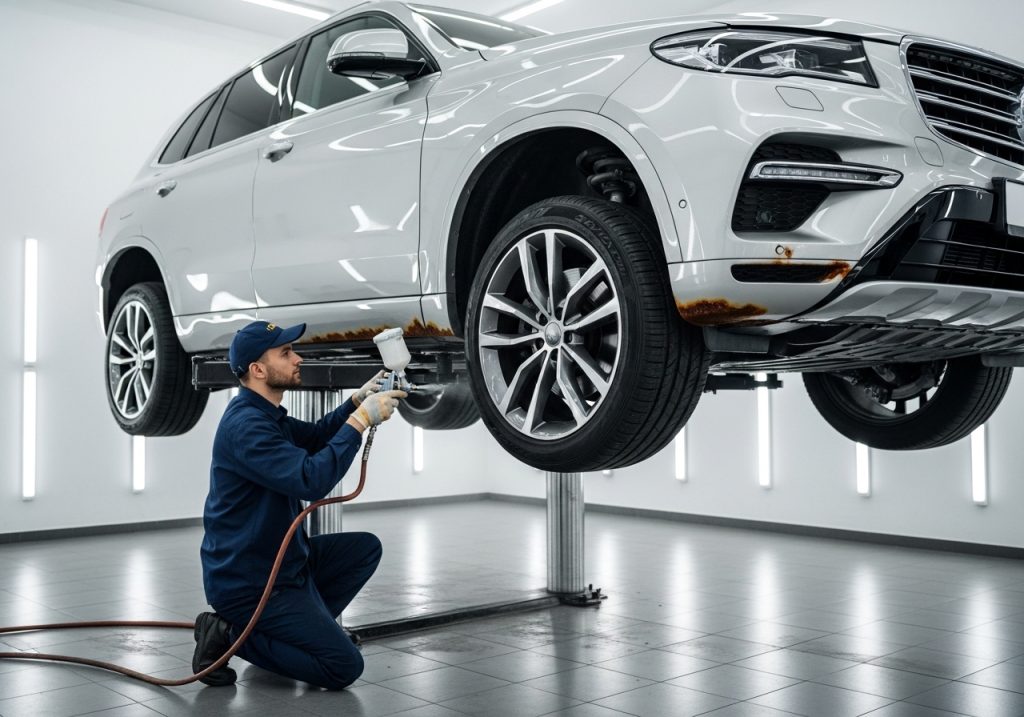
Underbody coating is a thick protective layer applied to the bottom of your car. It is sprayed or brushed onto the metal surfaces underneath the vehicle. The coating creates a physical barrier between the metal and outside elements like water, mud, salt, and gravel. It is usually made from rubber, asphalt, or polyurethane materials. These materials are tough and stick well to metal surfaces. Underbody coating also helps reduce road noise inside the car because the thick layer absorbs vibrations from the road. This is a bonus that many car owners appreciate beyond just the rust protection.
What Is Rustproofing
Rustproofing is a broader term that refers to any method used to prevent rust from forming on your car. It can include sprays, oils, electronic systems, and chemical treatments. The most common type is an oil-based spray that gets applied to the inside of door panels, the frame, and other hollow metal areas. This oil seeps into tight spaces where moisture can collect and causes rust from the inside out. Unlike underbody coating, rustproofing focuses more on the internal metal areas of the car that you cannot easily see. It creates a chemical barrier rather than a physical one.
How Underbody Coating Works
When a technician applies underbody coating, they first clean the underbody thoroughly. Any dirt, grease, or existing rust needs to be removed before the coating goes on. Once the surface is clean and dry, the coating is sprayed on in an even layer. It dries into a hard or semi-hard shell depending on the type of product used. This shell keeps moisture from reaching the bare metal underneath. It also protects against small rocks and road debris that can chip away at the metal over time. The coating is very durable and can last for several years before it needs to be reapplied.
How Rustproofing Works
Rustproofing works by either coating the metal with a chemical that repels moisture or by filling hollow spaces with a protective oil. The oil-based method is very popular because oil and water do not mix. When the oil fills up inside a door panel or frame rail, water cannot settle there and start the rusting process. Some rustproofing products also contain corrosion inhibitors. These are chemicals that slow down or stop the chemical reaction that causes rust. Electronic rustproofing is another method where a small device sends a weak electric current through the car’s metal body to prevent oxidation. However, this method is less proven than the spray-based options.
Key Differences in Coverage
One of the biggest differences between the two is where they are applied. Underbody coating focuses only on the outside bottom surface of the car. It targets the frame, floor panels, wheel wells, and exposed metal underneath. Rustproofing goes beyond the underbody. It treats the inside of metal cavities, door frames, trunk edges, and other enclosed spaces. If you want complete protection, using both together gives you the best results. Underbody coating protects the outside surfaces while rustproofing handles the hidden areas inside the car’s metal structure.
Differences in Materials and Application
Underbody coatings are usually thick and heavy. They are applied with a spray gun or brush and need time to cure and harden. Rustproofing sprays are much thinner and more fluid. They flow into cracks and hollow spaces easily. Some rustproofing products stay slightly wet or waxy so they can continue to creep into new areas over time. This self-healing quality helps them stay effective even as the car flexes and moves. Underbody coatings are more rigid and stay in place once dry. Both require professional application for the best results, although some products come in DIY spray cans for home use.
Cost Differences Between the Two
The cost of underbody coating and rustproofing varies depending on the product and where you get it done. Underbody coating typically costs more because it requires more material and labor. A professional underbody coating job can range from one hundred to five hundred dollars depending on the size of the car and the type of coating used. Rustproofing is usually less expensive and can range from fifty to two hundred fifty dollars. Dealerships often offer both services as add-ons when you buy a new car. It is worth shopping around because dealership prices are sometimes higher than what independent shops charge.
Which One Does Your Car Actually Need
The right choice depends on where you live and how you use your car. If you live in an area with heavy snow and road salt, both treatments together offer the strongest protection. If you live in a dry or mild climate, a basic underbody coating may be enough. If you drive an older car that already has some rust starting in the hidden areas, rustproofing with an oil spray can slow the spread. For brand new cars, getting both done early is always a smart move. Rust prevention is much cheaper than rust repair. Talking to a trusted mechanic can help you decide which option makes the most sense for your specific situation.
How Long Each Treatment Lasts
Underbody coating generally lasts between three to five years before it starts to crack or peel. Once it cracks, moisture can get underneath and cause rust to form under the coating itself. This is why regular inspections matter even after you have had the coating applied. Rustproofing oil treatments usually need to be reapplied every one to two years because the oil can dry out or wash away over time. Some newer products last longer, but annual checks are still a good habit. Keeping up with these treatments on a regular schedule gives your car the best long-term protection against rust damage.