What a Coating Refresh Means
A coating refresh is a service that revives and restores a protective coating on your car’s paint. Over time every coating weakens no matter how good it is. A refresh does not mean removing the old coating and starting over. It means cleaning the surface properly and applying a booster or top coat product that brings the coating back to life. Knowing when your car needs this service is important. Acting at the right time keeps your paint protected and saves you from costly repairs or full reapplication down the road.
The Water Bead Test
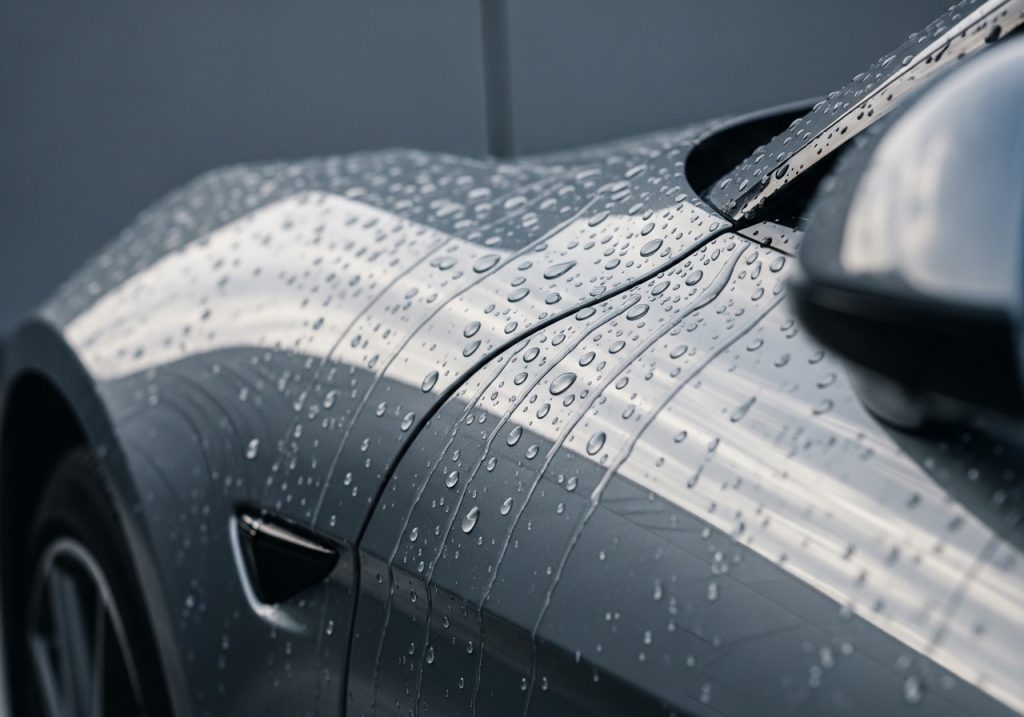
The easiest way to check if your coating needs a refresh is to watch what water does on your car’s surface. A healthy ceramic or graphene coating makes water bead up into tight round droplets that roll off the surface quickly. This is called the hydrophobic effect. When a coating is strong and working well, water never gets a chance to sit flat on the paint. Try pouring a small amount of water on the hood or roof of your car. If the water beads up tightly and slides off easily, your coating is still in good shape. If the water spreads out flat and stays on the surface, your coating has weakened and a refresh is needed.
Dull or Faded Appearance
A strong coating gives your car a deep and glossy shine. The paint looks rich, reflective, and almost wet even when the car is dry. One of the early signs that a coating is losing its strength is a gradual loss of that shine. Your car may start to look slightly dull or flat even right after a fresh wash. The color may not look as vibrant as it did when the coating was first applied. This dullness happens because the top layer of the coating has been worn down by UV rays, environmental exposure, and regular washing. If your car no longer looks as brilliant as it once did, a refresh can bring that deep gloss back.
Water Spots That Won’t Go Away
Water spots are another sign that your coating needs attention. When a coating is working properly, minerals in water have a hard time sticking to the surface. They sit loosely on top and rinse away easily. But when the coating weakens, minerals start to bond more firmly to the surface. You may notice white or cloudy spots on your car after rain or washing that do not come off with a normal rinse. These are mineral deposits etching into the weakened coating. If you are seeing stubborn water spots appear more frequently, it is a strong signal that the coating’s protective layer has thinned and needs to be refreshed.
Dirt and Grime Sticking More Easily
A freshly coated car stays cleaner longer because dirt and grime cannot bond easily to the smooth and slick surface. When you drive through muddy roads or dusty areas, the dirt tends to sit loosely and wash off with minimal effort. When a coating starts to wear down, this self cleaning quality fades. You may notice that your car gets dirty much faster than before. Road grime, dust, and mud cling to the surface more stubbornly. Washing takes more effort and even after a good wash the car may still look slightly grimy. This is a clear sign the coating is no longer repelling contaminants the way it should.
Bird Droppings and Tree Sap Causing Damage
Bird droppings and tree sap are highly acidic and sticky. A strong coating acts as a barrier and keeps these substances from reaching the paint directly. When you have a healthy coating, bird droppings and sap sit on top of the surface and can be removed cleanly without leaving marks. When the coating has weakened, these substances start to etch into the surface more easily. If you are noticing that bird droppings or tree sap are leaving visible marks or dull spots on your car even after being cleaned off, the coating is no longer providing adequate protection. A refresh will restore that barrier and prevent further damage.
How Old Is Your Coating
Sometimes the simplest way to know if a refresh is needed is to look at how long it has been since the coating was applied or last refreshed. Most coatings have a recommended maintenance window. A three year coating should typically be inspected and refreshed around the eighteen month to two year mark. A five year coating may need attention around the two to three year point. Even if your car looks fine on the outside, the coating could be quietly wearing thin in ways that are not yet visible. Sticking to a time based schedule rather than waiting for visible signs is always a smarter approach to coating care.
Increased Sensitivity to Chemicals
Car paint that is protected by a strong coating handles exposure to chemicals very well. Things like road salt, bug splatter, brake dust, and even some car wash soaps are no match for a healthy coating. When the coating starts to break down, your paint becomes more vulnerable to these everyday chemicals. You may notice that certain substances leave marks or discoloration that were not a problem before. If your car seems to be reacting more sensitively to the things it encounters on the road or during washing, the chemical resistance of the coating has dropped and a refresh is overdue.
After Harsh Weather Events
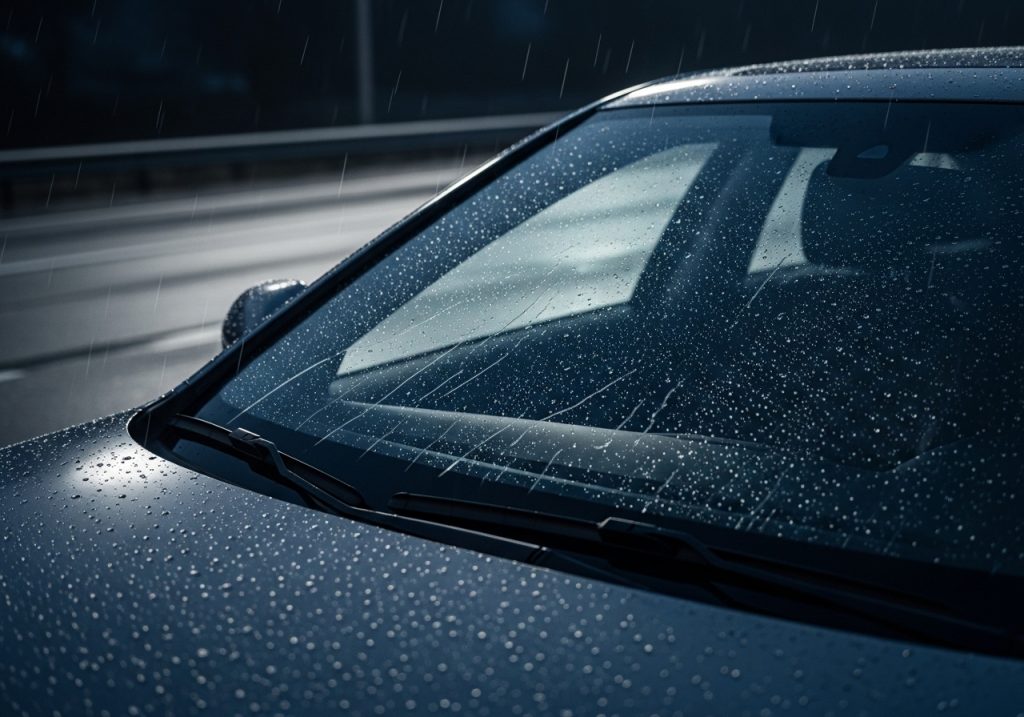
Extreme weather events can accelerate coating wear significantly. Heavy hailstorms, flooding, prolonged exposure to acid rain, or weeks of intense summer heat can all take a toll on even the strongest coating. After your car has been through any kind of harsh weather event, it is a good idea to have the coating inspected by a professional. The coating may look fine to the naked eye but a trained detailer can spot areas where the protection has been compromised. Getting a refresh after a tough weather season is a proactive step that keeps your paint fully covered before damage has a chance to set in.
What Happens If You Wait Too Long
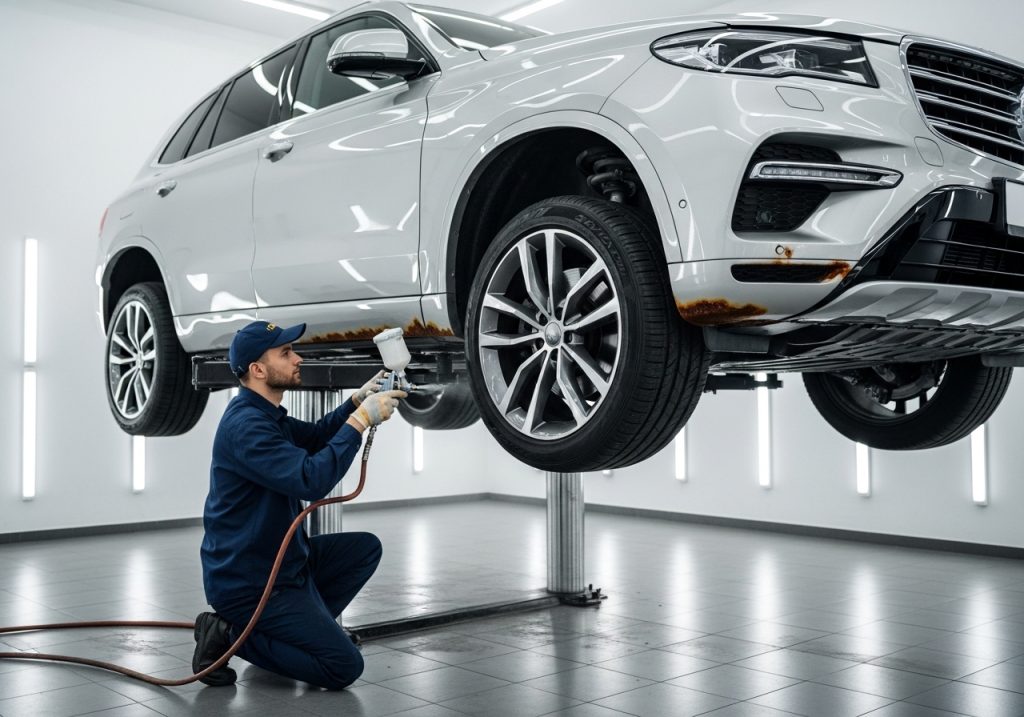
Waiting too long to refresh your coating leads to bigger problems. Once the coating breaks down completely, your paint is left exposed to everything the road and weather throw at it. UV rays cause fading and oxidation. Acid rain causes etching. Bird droppings leave permanent marks. At this point a simple refresh is no longer enough. The paint may need correction work before a new coating can be applied. Paint correction involves polishing out scratches, water spot etching, and oxidation. This adds significant cost and time to the process. Refreshing the coating at the right time avoids all of this and keeps things simple and affordable.
Getting a Professional Inspection
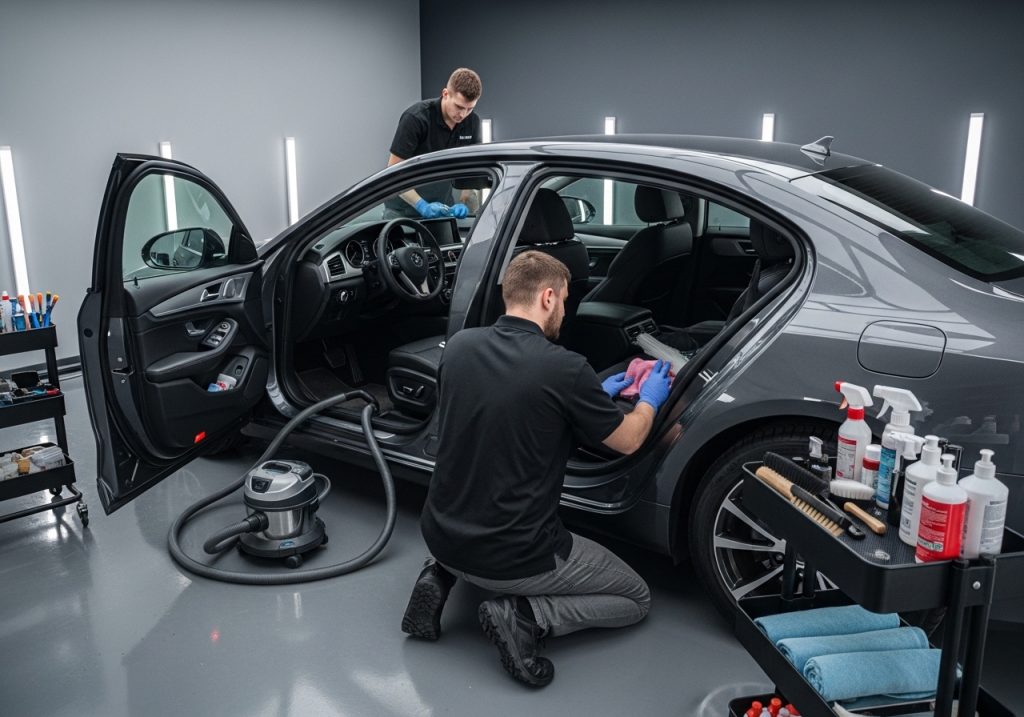
If you are unsure whether your car needs a coating refresh, the best move is to visit a professional detailer. A trained detailer can examine the coating under special lighting and identify weak spots that are not visible in normal light. They can perform a proper water bead test and check the surface for contamination and chemical damage. A professional inspection gives you a clear and accurate picture of where your coating stands. From there you can make an informed decision about whether a simple refresh will do the job or whether more work is needed. Most detailers offer inspections at little or no cost.
Final Thoughts
Your car’s coating works hard every single day to protect the paint underneath. Knowing when it needs a refresh is key to keeping that protection strong. Watch for signs like poor water beading, dull appearance, stubborn water spots, and increased dirt buildup. Keep track of how long it has been since the coating was applied. Do not wait for serious damage to appear before taking action. A timely coating refresh is one of the simplest and most affordable ways to protect your car’s paint and keep it looking its best for years to come.