Understanding the Two Options
When it comes to protecting and improving your car’s windows, two options come up often. The first is glass coating and the second is regular window tint. Many car owners think these two things are similar or that they serve the same purpose. In reality they are very different products that work in completely different ways. They are made from different materials, applied differently, and offer different kinds of benefits. Understanding what makes each one unique helps you make the right choice for your car and your specific needs.
What Is Regular Window Tint
Regular window tint is a thin film made from polyester. It is cut to the shape of your car’s windows and applied to the inside surface of the glass. The film contains dyes, metals, or carbon layers that darken the glass. This darkening is what most people think of when they hear the word tint. Window tint is mainly used to block sunlight and reduce heat inside the car. It also gives the car a more private and stylish look. Tint films come in different shades ranging from very light to very dark. Each region has laws about how dark window tint can legally be on different windows of a vehicle.
What Is Glass Coating
Glass coating is a liquid protective product applied directly onto the surface of the glass. It is similar in concept to ceramic coating for paint but it is specially formulated for glass surfaces. Glass coating is made from silicon dioxide or a related compound. When it cures it forms a very thin and invisible layer over the glass. This layer bonds chemically to the glass surface. Unlike window tint it does not change the color or darkness of the glass at all. It is completely clear. Glass coating is designed to protect the glass, repel water, resist dirt and grime, and make the surface much easier to clean.
How They Are Applied Differently
The application process for window tint and glass coating is completely different. Window tint film is cut precisely to fit each window. It is then carefully applied to the interior glass surface using a soapy solution that allows the film to be positioned correctly before it sticks permanently. Air bubbles are pushed out and the film is smoothed into place. It takes skill to apply tint without bubbles or creases. Glass coating on the other hand is applied like a liquid. A small amount is spread across the glass surface using an applicator pad. It is then buffed and left to cure. The process is more similar to applying a coating to car paint than installing a film.
The Visibility Difference
One of the most obvious differences between glass coating and window tint is how each one affects visibility. Window tint reduces how much light passes through the glass. Darker tints can significantly reduce visibility especially at night or in low light conditions. Drivers need to be aware of this tradeoff. Glass coating has no effect on visibility at all. Since it is completely clear and extremely thin, it does not change how much light enters the car. Your windows look exactly the same as before but with an invisible layer of protection sitting on the glass. For drivers who want protection without any change in how their windows look or perform visually, glass coating is the better choice.
Water and Rain Performance
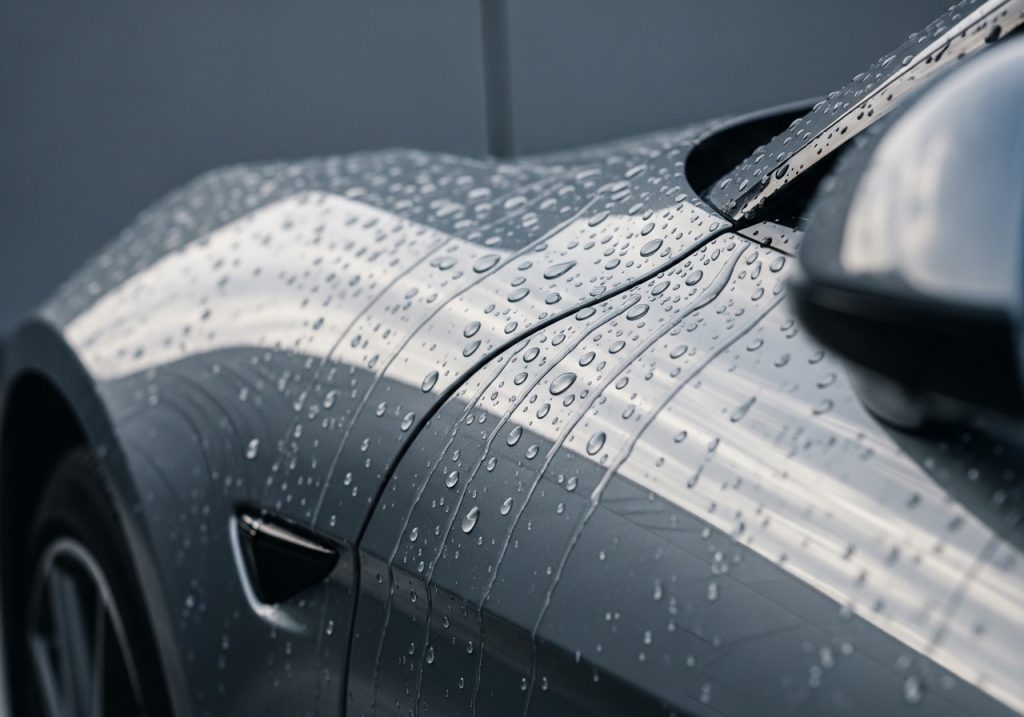
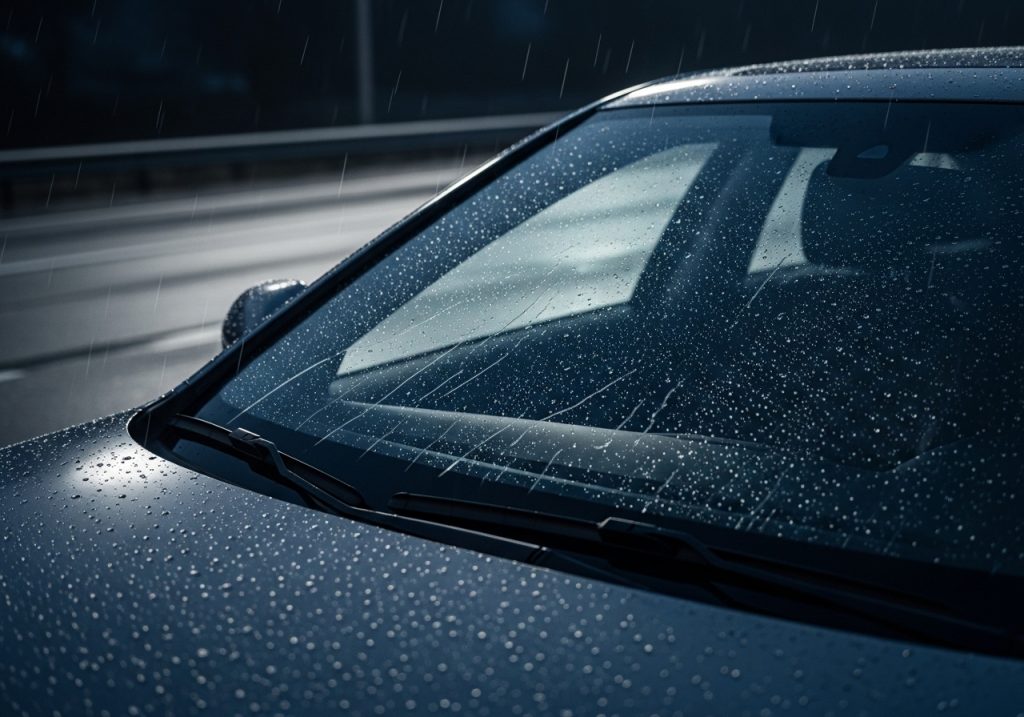
Both products affect how water behaves on the glass but in very different ways. A window tint film does not have strong water repelling properties on its own. Rain still clings to the glass and you rely on your wipers to clear it. Glass coating on the other hand is highly hydrophobic. When rain hits a glass coated window, the water beads up instantly and rolls off the surface very quickly. At highway speeds the wind pushes water droplets off the glass so effectively that some drivers find they barely need their wipers at all in light rain. This improved visibility in wet conditions is one of the most practical benefits of glass coating for everyday driving.
Heat and UV Blocking Ability
Window tint is specifically designed to block heat and UV rays from entering the car. High quality tint films can block a significant amount of infrared heat and nearly all harmful UV radiation. This keeps the interior cooler on hot days and protects the dashboard, seats, and other surfaces from sun damage. Glass coating does not block heat or UV rays in the same way. Its UV protection is limited compared to a quality tint film. If your main goal is to keep your car cool and protect the interior from sun damage, window tint is the more effective choice for that specific purpose. Glass coating is not a replacement for tint when heat reduction is the priority.
Durability and Lifespan
Window tint film is durable but it does have a lifespan. Over time the dyes in cheaper tint films can fade and turn purple. The edges may start to peel and bubbles can form under the film especially if it was not applied correctly. Quality tint films last longer but they still degrade over time. Glass coating is extremely durable and bonds directly to the glass at a chemical level. It does not peel, bubble, or change color. A quality glass coating can last two to five years with proper care. Since it becomes part of the glass surface rather than sitting on top as a film, it holds up very well against the elements and daily use.
Maintenance and Cleaning
Cleaning a tinted window requires some care. Harsh chemicals and abrasive materials can scratch or damage the tint film. Ammonia based cleaners are a common enemy of window tint and must be avoided. Glass coating makes cleaning much easier. The hydrophobic and smooth surface repels dirt and grime so less buildup occurs in the first place. When you do clean a glass coated window, dirt wipes away with minimal effort. You still need to use gentle products but the overall cleaning experience is easier and faster. The coated surface stays cleaner between washes which is a practical benefit for busy car owners.
Can You Use Both Together
A common question is whether glass coating and window tint can be used together on the same windows. The answer is yes in most cases. Many car owners choose to have tint applied for heat and UV blocking and then have glass coating applied on the outside surface of the glass. This gives you the benefits of both products at the same time. The tint works on the inside to manage heat and privacy while the coating on the outside repels water, resists dirt, and makes driving in rain much safer. When combined thoughtfully the two products complement each other very well.
Choosing the Right Option for Your Needs
Choosing between glass coating and window tint depends on what you want to achieve. If you want to reduce heat inside your car, block UV rays, and add privacy, window tint is the right choice. If you want clearer vision in rain, easier glass cleaning, and long lasting glass protection without changing the look of your windows, glass coating is what you need. If you want all of these benefits together, using both products is a smart approach. Understanding what each product does helps you invest your money in the right solution for your driving conditions and lifestyle.
Final Thoughts
Glass coating and regular window tint are two very different products that serve different purposes. Tint is a film that darkens glass to block heat and light. Glass coating is an invisible liquid layer that protects the glass and repels water. Neither one is better in every situation. Each has its own strengths and ideal use cases. Knowing the difference helps you make an informed choice and get the most out of whichever product you choose for your car’s windows.